What Should We Do When Children Kill?
June 25, 2026
Predictably, the horrific killings in Tacloban have reignited calls to lower the age of criminal responsibility.
Whenever a child commits an unspeakable crime, this proposal inevitably resurfaces. If children are old enough to kill, the argument goes, they should be old enough to be treated as criminals.
Not because these children should escape accountability. They absolutely should not. Three children are dead, and several others are injured. Other students, teachers, and families will carry the trauma of what happened for the rest of their lives. Justice demands that those responsible answer for what they have done.
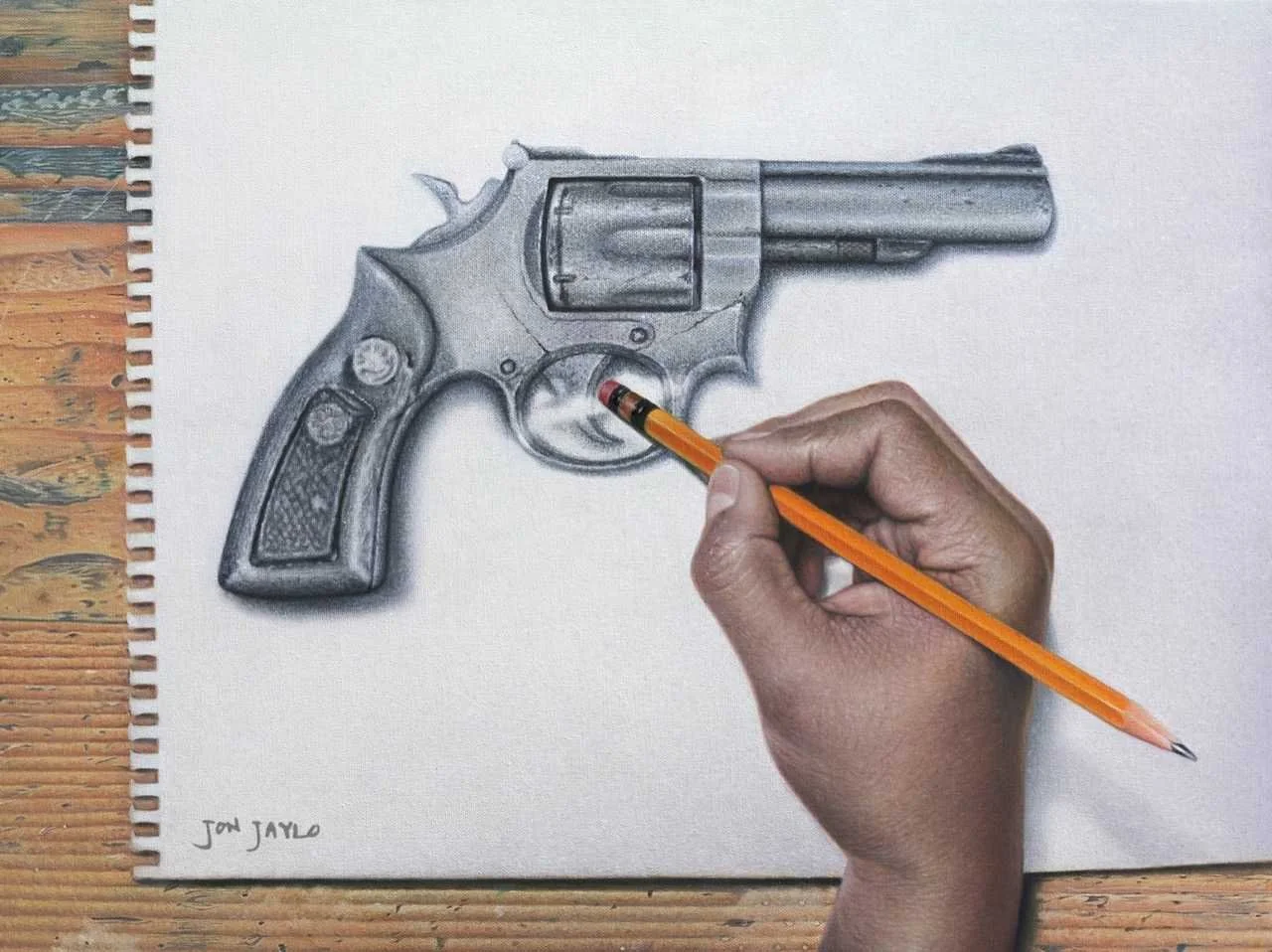
“The Benevolence I Seek” by Jon Jaylo (oil on canvas, 2017)
But accountability and criminal liability are not the same thing.
When a fourteen-year-old commits murder, something has already gone terribly wrong long before the trigger is pulled.
Children are not born with fully formed moral judgment. They are shaped by their families, their schools, their communities, the internet, and the examples set by the adults they see around them, including our country’s leaders.
That does not excuse what they do. It does, however, mean that every child who commits a violent crime is also evidence of adults who failed.
Parents who did not or could not intervene. Schools that may have missed warning signs. Institutions that failed to provide support. And a society that often notices children only after they become headlines.
Lowering the age of criminal responsibility does nothing to address any of these failures. It simply shifts our attention to the easiest person to punish.
Nor is such a proposal to make criminals of younger offenders likely to affect all children equally.
The children most likely to find themselves in the criminal justice system are not those from wealthy families with access to lawyers, psychologists, and private schools. They are children from poor communities, where support systems are weakest and opportunities are fewest.
Lowering the age of criminal liability will only become yet another policy that falls most heavily on the poor, while leaving untouched the conditions that produced the tragedy in the first place.
There is another dimension that deserves attention.
For years, many of our political leaders, led by former President Duterte, normalized violence.
We watched them speak casually about killing. We heard them defend violence as strength. We saw them applaud Duterte, who promised to solve problems through force. We also saw them normalize not just violence, but even language that would once have been considered unthinkable from those entrusted with public office.
I am not suggesting that Duterte or any one of them is solely or directly responsible for what happened in Tacloban. But neither can we pretend that children grow up untouched by the culture they helped to create.
If children repeatedly see violence rewarded, applauded, or excused by the people they are told to admire, should we really be surprised when some begin to see violence as a legitimate way to solve their own problems?
If our first instinct is simply to imprison them earlier, we may satisfy a mob’s anger. But we will have solved nothing.
The starting point should be the law as it actually exists, not as it is often portrayed, especially by those seeking to take advantage of the emotional situation.
Children who commit heinous crimes do not escape accountability simply because they are below the age of criminal responsibility. The law does not say that they will walk free. Rather, it provides mechanisms to ensure that they answer for what they have done.
So it is absolutely false to suggest that their age places them beyond the reach of the law.
Moreover, let us not make the mistake of believing that punishing children more harshly is the same as protecting children more effectively.
The real question is not how young we should allow ourselves to imprison children. The real question is why we keep producing children who grow up believing that violence is an answer.
And the answer is not to imprison children earlier. The answer is to intervene earlier.
Take bullying seriously before it turns into violence.
Give schools the resources to identify children in crisis.
Expand access to mental health services.
Strengthen families that are struggling.
Keep firearms out of the hands of children.
Ensure that every child who commits a serious offense undergoes meaningful rehabilitation while being held accountable for the harm they have caused.
Most of all, demand better of the adults.
Children do not create the moral climate in which they grow up. We do.
These steps are not new and unknown ideas. What’s missing, as always, is the political will to invest in genuine solutions that take time, patience, money, and continued support to bear fruit.
The measure of a society is not how harshly it punishes its broken children, but how seriously it accepts responsibility to help ensure they never become broken in the first place.