CANVAS’ Story
In 1999, I began inquiring about securing the rights to adapt and publish Giono’s tale. To my pleasant astonishment, Jim Schley, then the editor in chief of Chelsea Green Publishing which had published The Man Who Planted Trees informed me that
Legend has it that no one — no person, and no company or institution — "owns” the copyright to this story. Giono believed that he had given the rights to the world, granting anyone the opportunity to translate or reproduce his tale. While the French publisher Gallimard has at times challenged those who publish the story, so far they have not succeeded in intimidating many people who have contributed to the distribution of the story.
I hope that this response is useful to you, and I wish you well in your efforts to make the story more widely known in your country.
Additional internet research gave me reassurance.
I found this translation of a letter that Jean Giono had written to a certain Mr. Valdeyron, the Waters and Forests Manager of Digne, back in 1957:
I am sorry to disappoint you, but Elzeard Bouffier is a fictional character. The objective was to develop the love of trees, or more precisely, develop the love for planting trees (this has always been one of my cherished ideas). Judging by the results, the objective has been attained by this imaginary character.
The text that you have read in Trees and Life has been translated in Danish, Finnish, Swedish, Norwegian, English, German, Russian, Czechoslovakian, Hungarian, Spanish, Italian, Yiddish, Polish. I have given all reproduction rights for free.
An American came to see me recently to ask for the authorization to make 100,000 copies of the text, in order to distribute them for free in America (of course, I accepted). The University of Zagrebhas translated the text in Serbo-Croatian. It is one of the texts that I am most proud of. The texts do not bring me even a dime, and this is why it accomplishes the reason for which it is written.
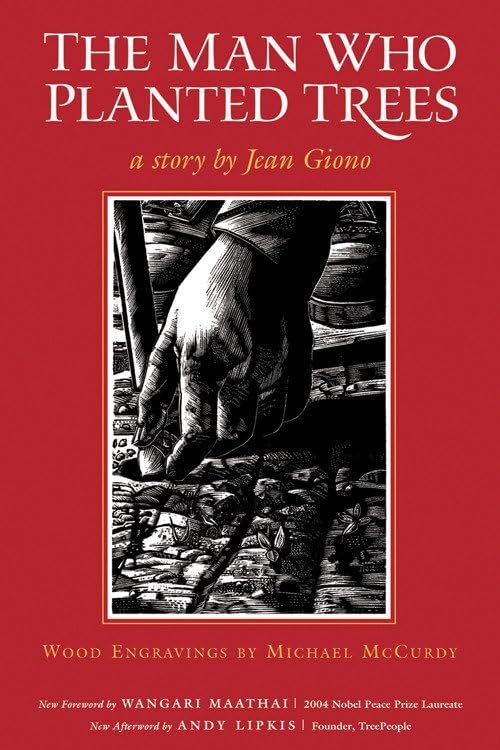
CANVAS, fittingly, began with one story. Back in college in the late 1980s, I had seen an animated short film which was based on a short ecofable by a French writer, Jean Giono. The movie’s title was also its entire premise: one solitary man simply decides to plant one hundred acorns each day in a barren and forgotten section of Provence in France, over a span of 50 years. In the process, his life’s devotion transforms the landscape and “creates a masterpiece truly worthy of God.”
The US adaptation became a bestseller, and the movie won the Academy Award in 1988.
The Man Who Planted Trees spoke of the power of an individual to change the world. It made an impact on me, and I dreamt of one day publishing an adaptation for the Philippines. So I filed the idea as something for my bucket list.
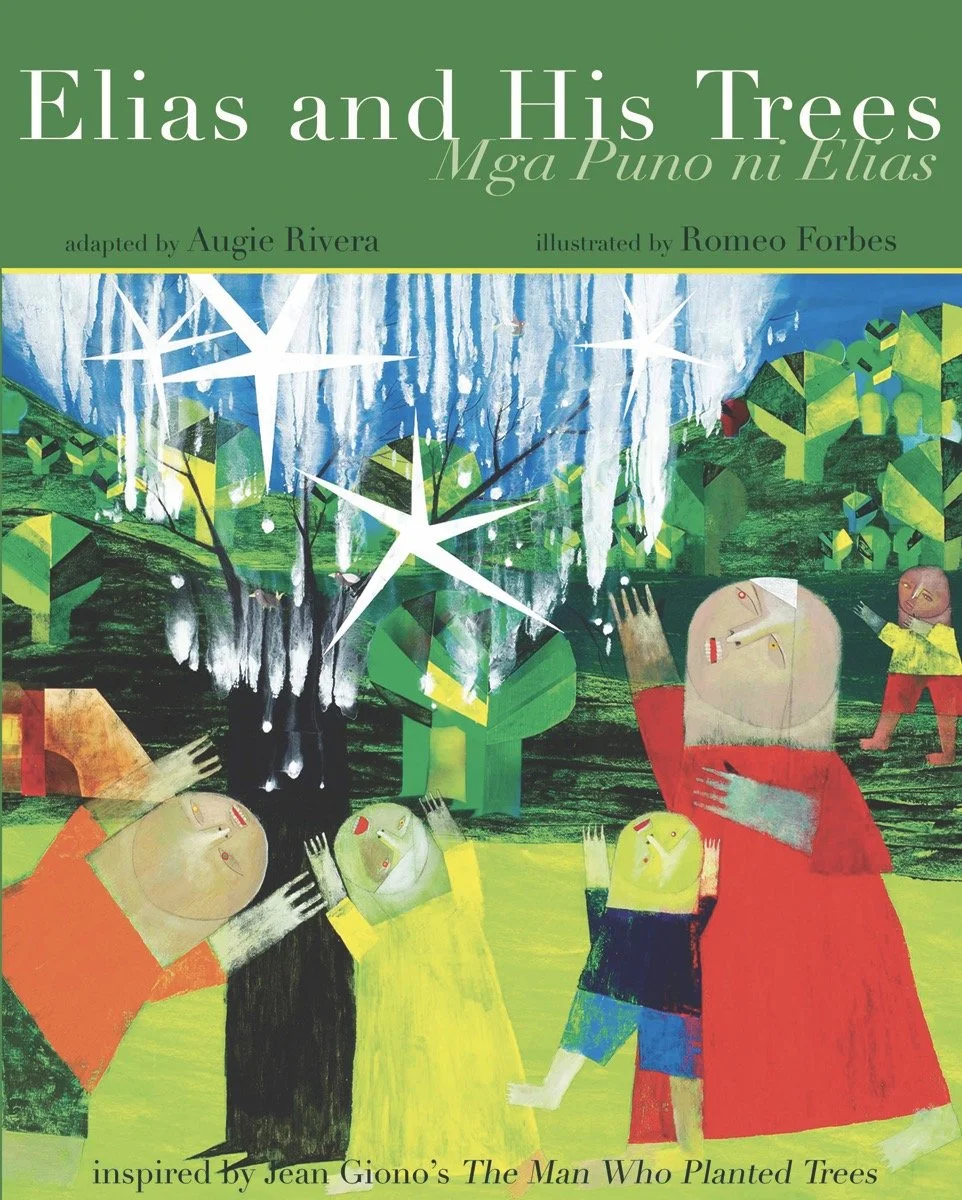
Elias and His Trees was also CANVAS’ coming out party, so we now regard its launch on June 13, 2005, as the official date of CANVAS’ birth. This book laid the groundwork for everything else that has followed for CANVAS over these past years.
Its success garnered attention and some measure of respect that opened doors, empowering us over the years to come out with more books; expand our children’s literacy initiatives; develop close relations and work with some of the Philippines’ most highly coveted artists and talented writers; mount major socially relevant exhibitions and retrospectives in venues like the National Museum, the Cultural Center of the Philippines, the Ayala Museum, and Vargas Museum; commission dozens of publicly accessible art; and to begin seriously dreaming of building a children’s museum of Philippine art.
It took me a few more years to raise the funds necessary for this small project. In 2004, I hired a young children’s book writer, Augie Rivera, to work on the adaptation, and later convinced a relatively unknown 24-year old artist named Romeo Forbes to create the artworks that would bring the book to life. I then formally incorporated CANVAS as the vehicle for the project.
In 2005, I was finally able to cross the book off my bucket list.
Both as a book and as an exhibition of the paintings, Elias and His Trees was as a critical and commercial success. All the artworks sold out, as did a good chunk of the limited first edition hardbound copies. Beyond our expectations, the book was also selected as a finalist in the National Book Awards the following year.
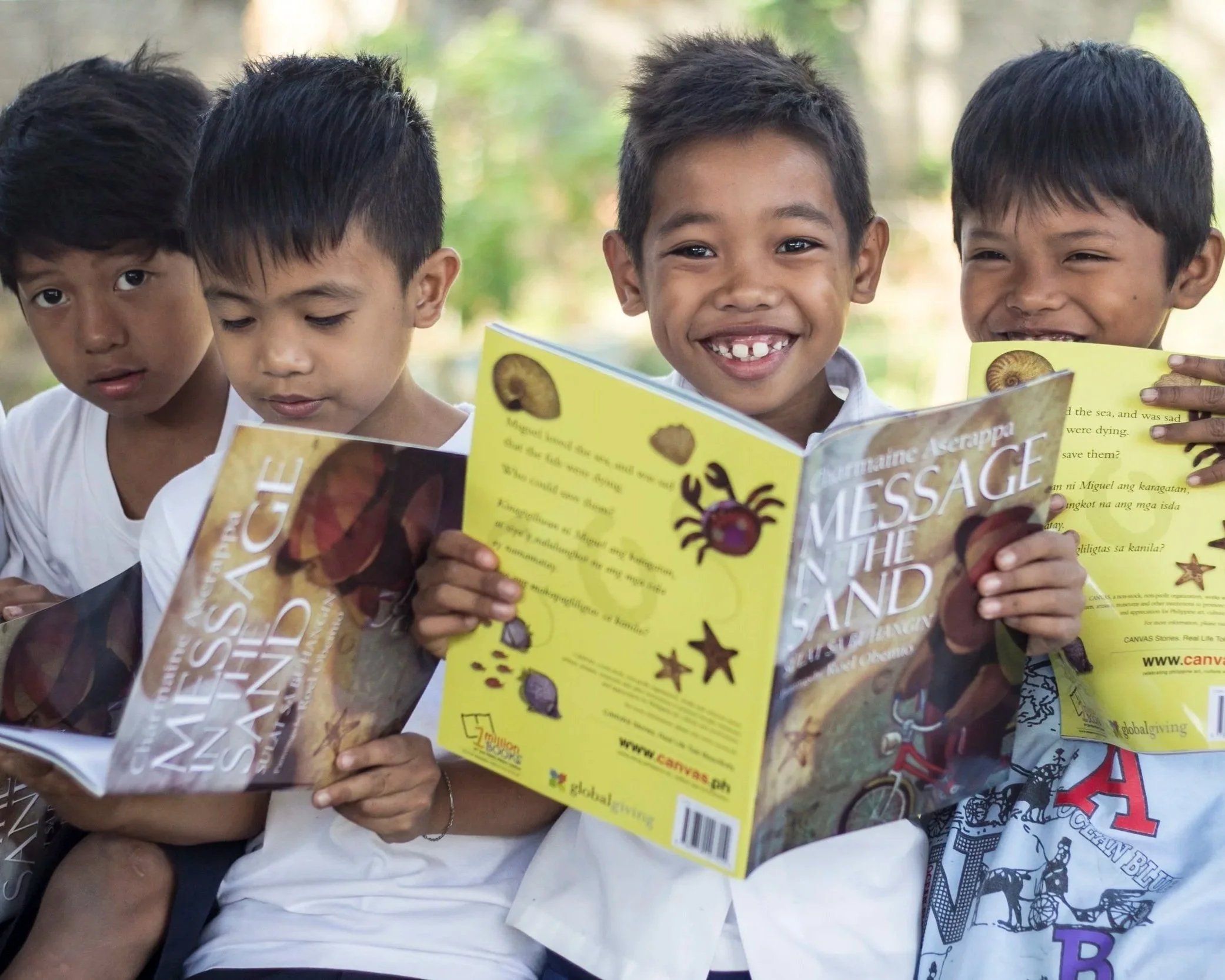
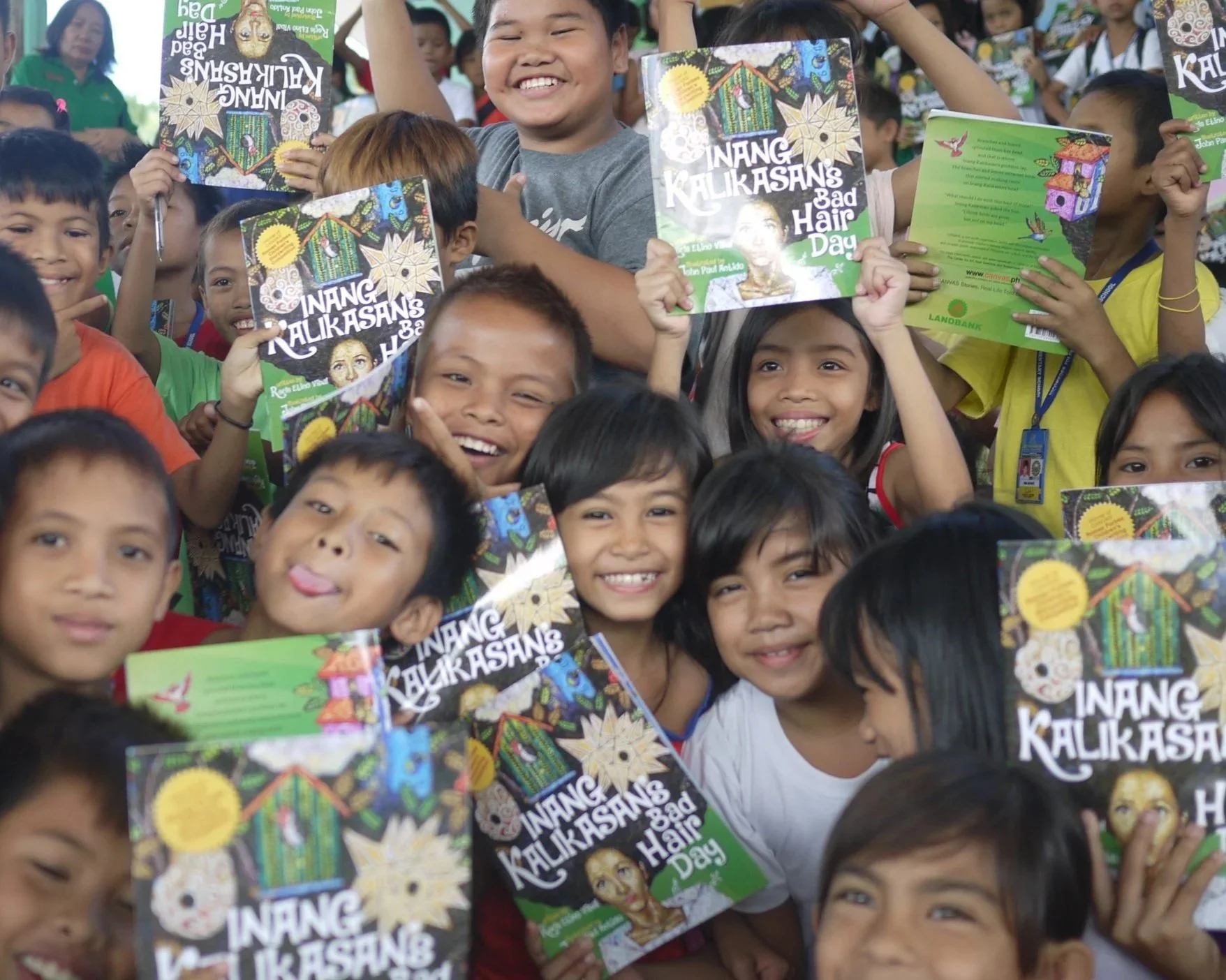
By the end of 2026, CANVAS books will have given directly to more than 2.2 million children — thanks to a partnership with the Department of Education.
We continue to work with Filipino artists and writers, and numerous new titles are already in the pipeline to add to the over fifty original picture and activity books that we’ve already published — some of which have won some of the most prestigious local and international recognitions.
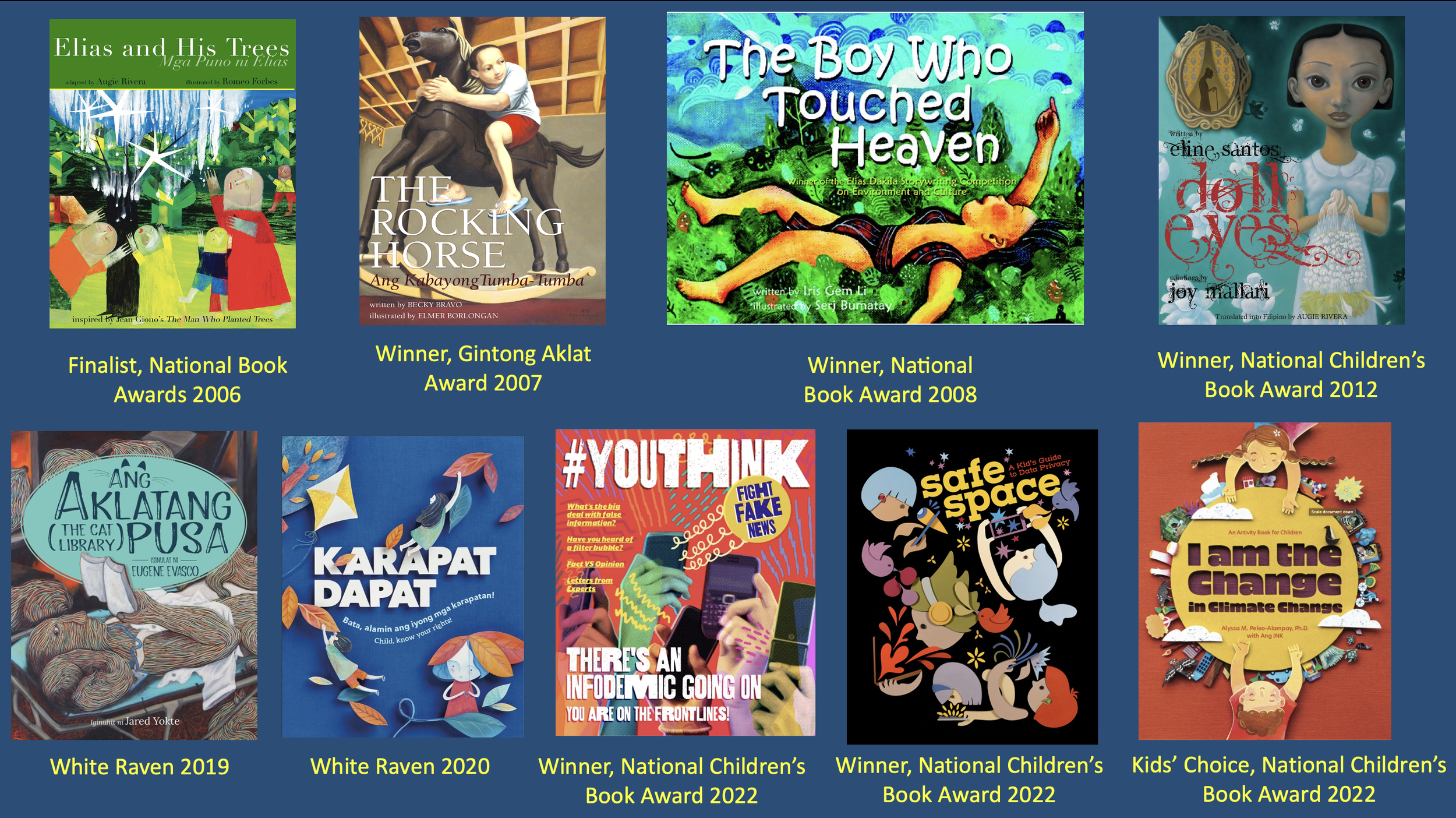
In 2025, we were nominated for the prestigious Astrid Lindgren Memorial Award — a global award often described as the international "Nobel Prize for children's literature" — given annually to a person or organization for their outstanding contribution to children’s and young adult literature.
From nearly all of our shows and events, we also made a conscious decision to acquire one or two artworks. As a result, we have slowly but surely grown an important collection of more than 500 child-friendly artworks that we feel is enough to anchor our envisioned Tumba-Tumba Children’s Museum of Philippine Art.
The Museum is currently being built the province of Batangas. There is already much to see in this 2-hectare piece of mango tree-filled land. And, we are now embarking on a major capital fundraising campaign to build I Am the Storyteller, the main hall that will showcase our collection.
Once fully built, its facilities and exhibitions will reflect CANVAS’ belief in the power of storytelling, and the cross-cutting nature of human rights as central to children’s rights, as well as the other big issues of our times — climate change, and safety on the internet.
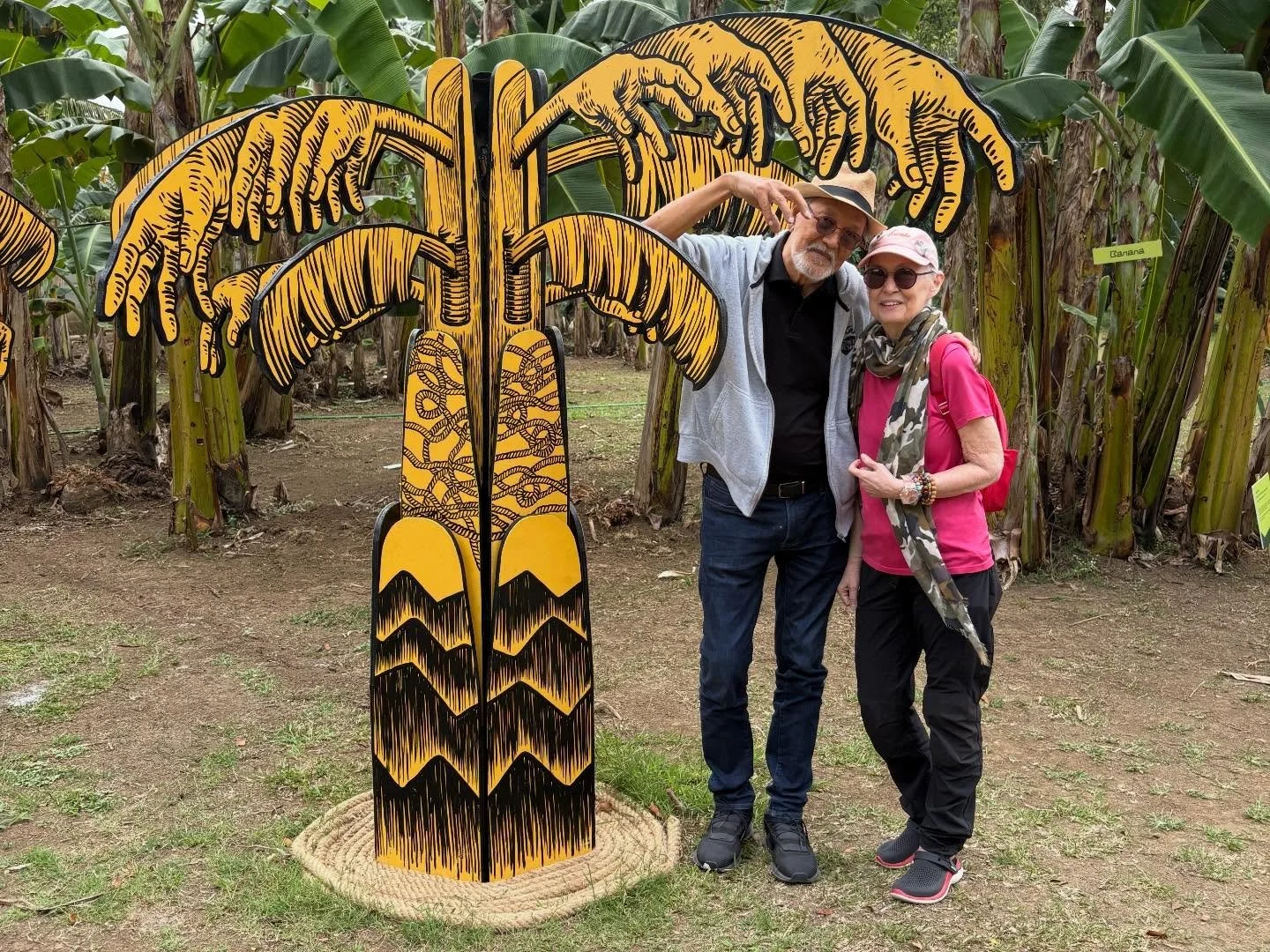
National Artist Bencab and Annie Sarthou with Archie Oclos installation
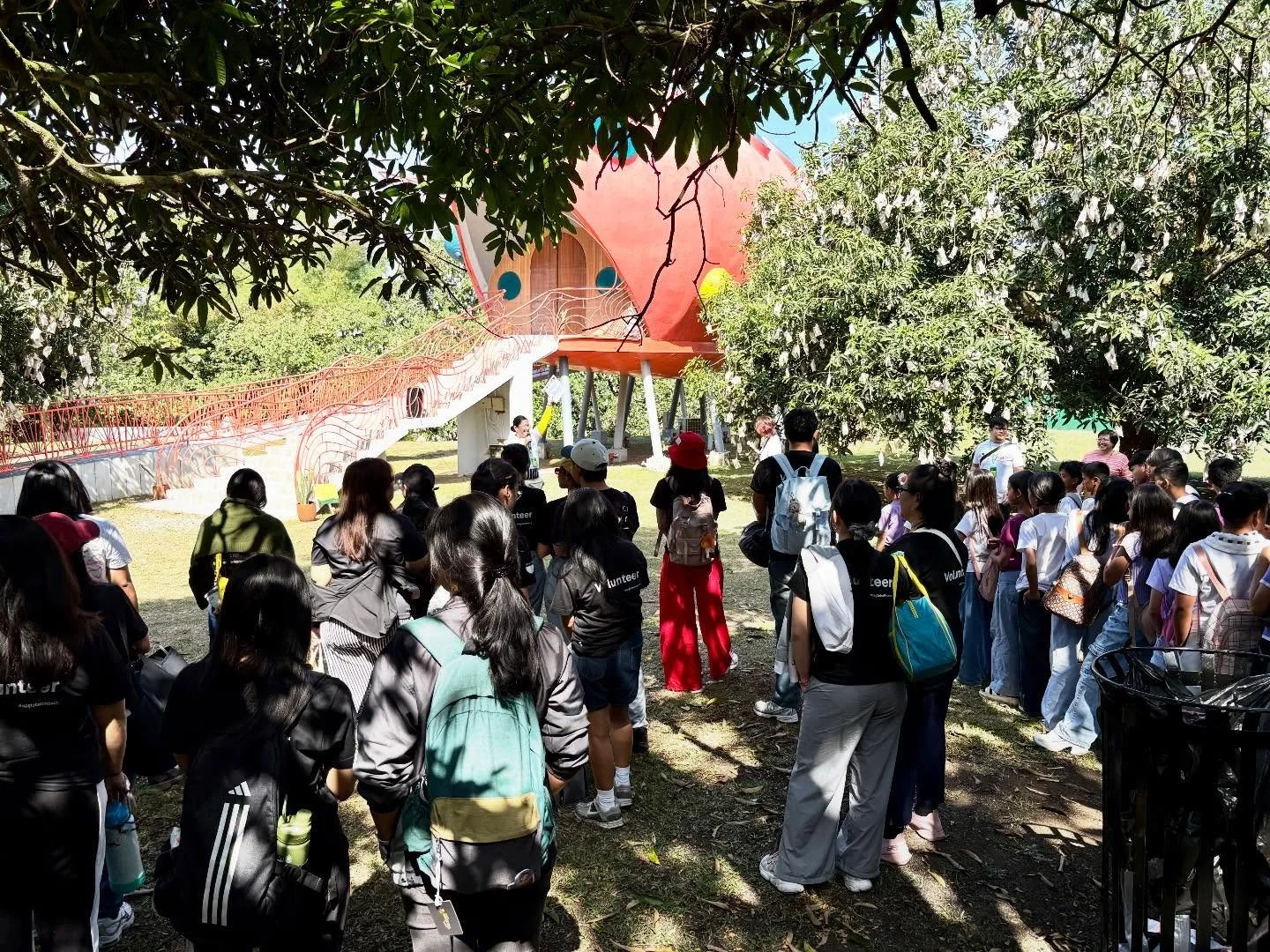
Crowd at the opening of the 2026 If Trees Could Talk International Art Biennale
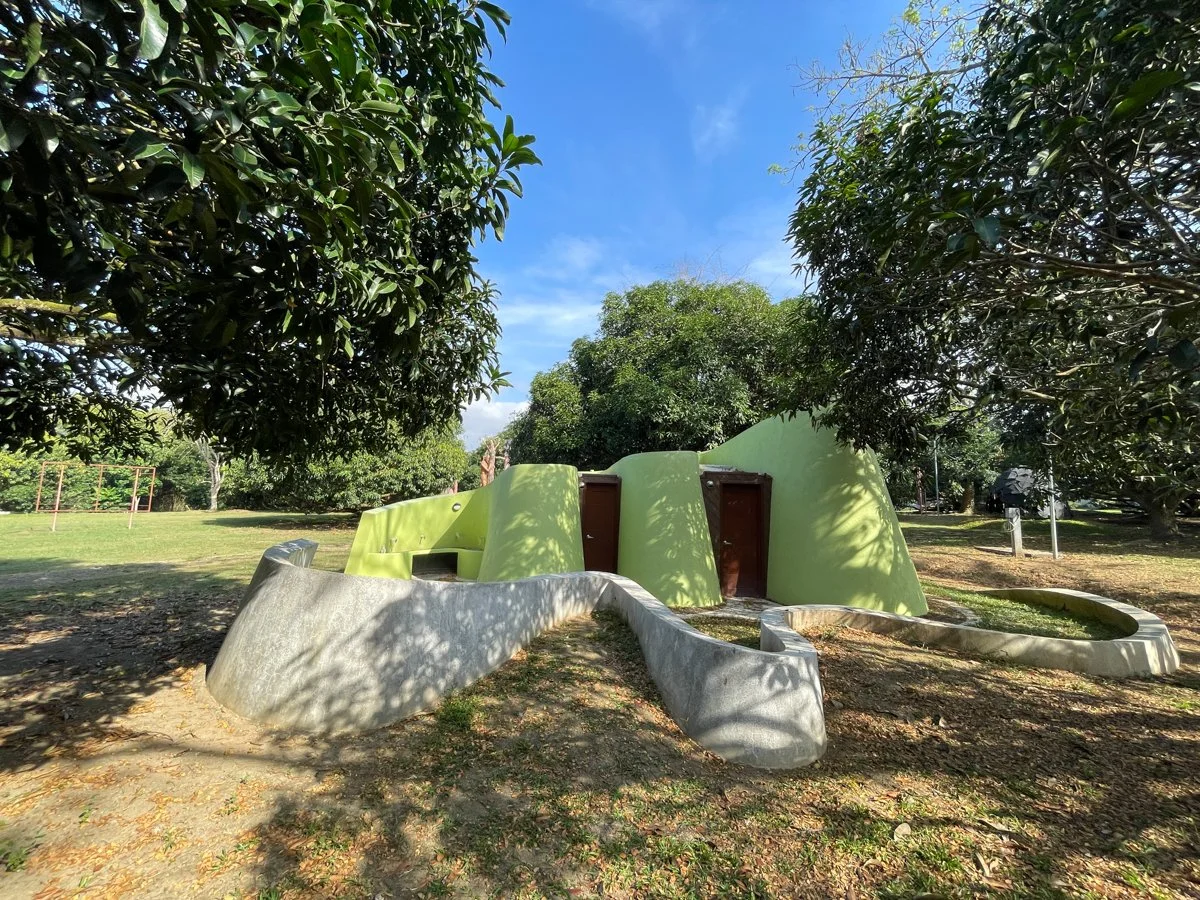
"Tawag", a public restroom for the Museum
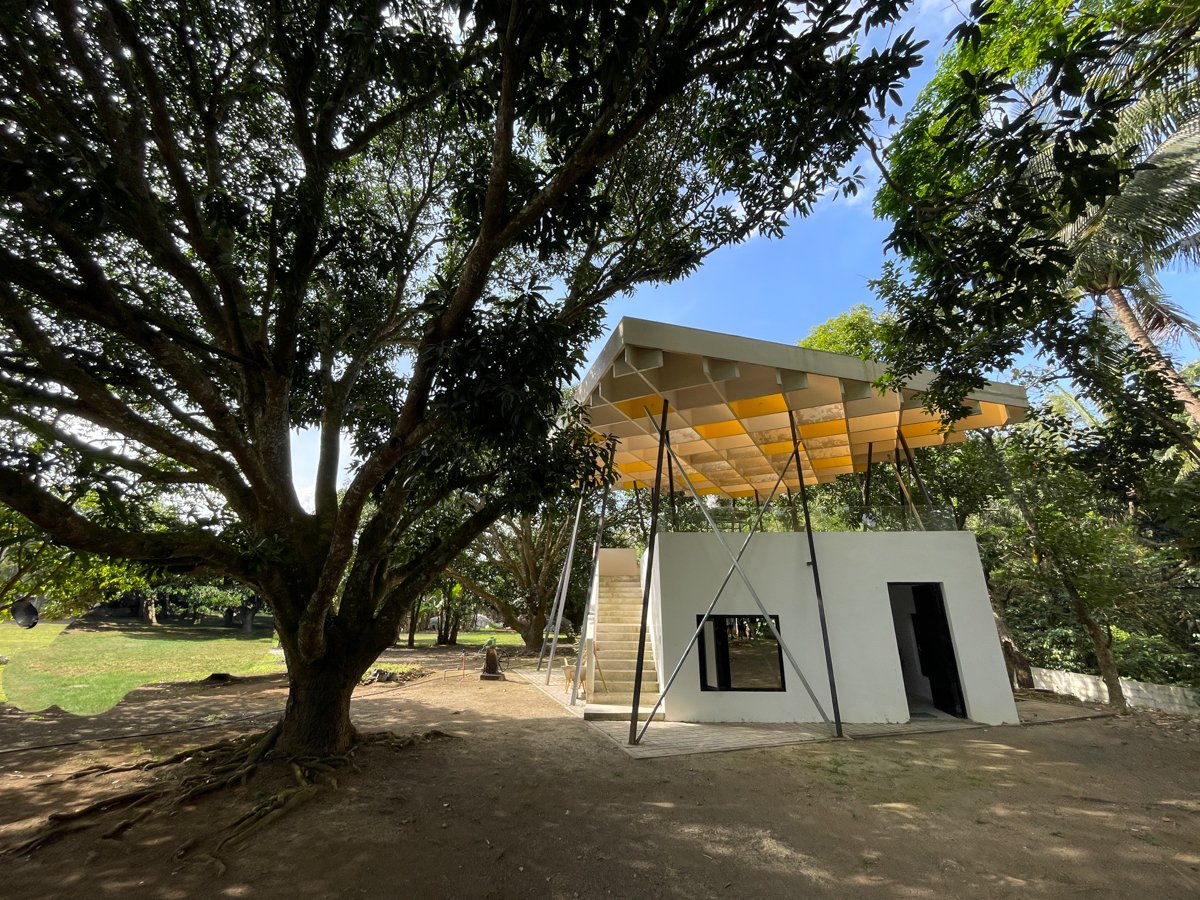
"Kulandong" - a multipurpose tiny building which will be turned into a children's book community library
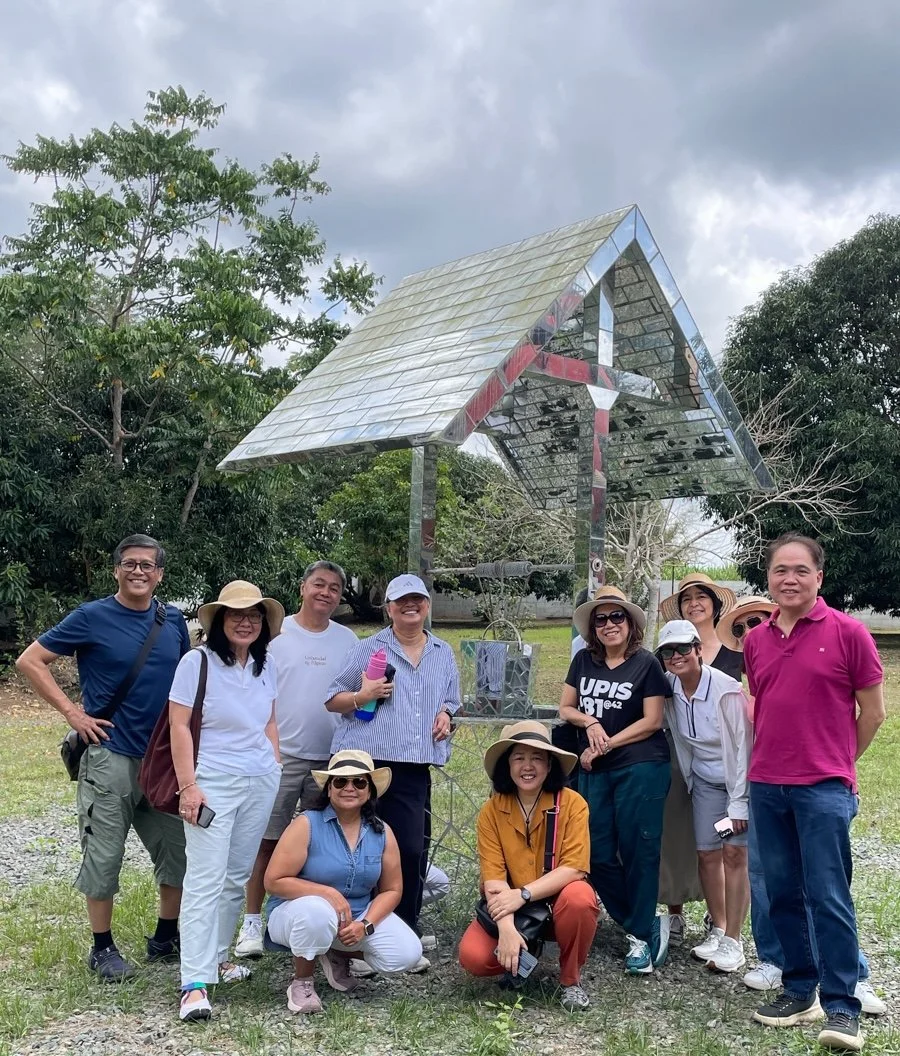
"Not a Mirage", an sculptural piece by Jose John Santos and Pam Yan Santos
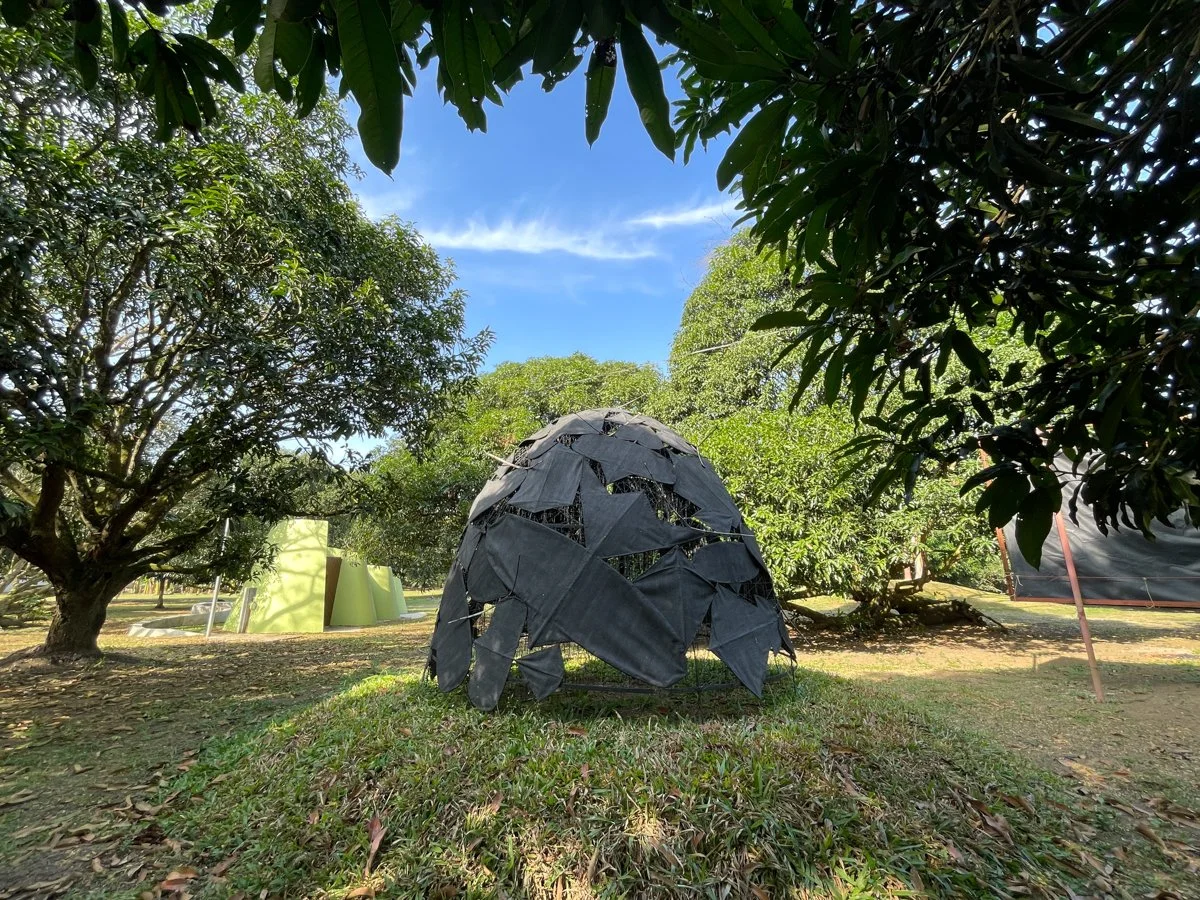
"Lilim" by Don Bryan Bunag
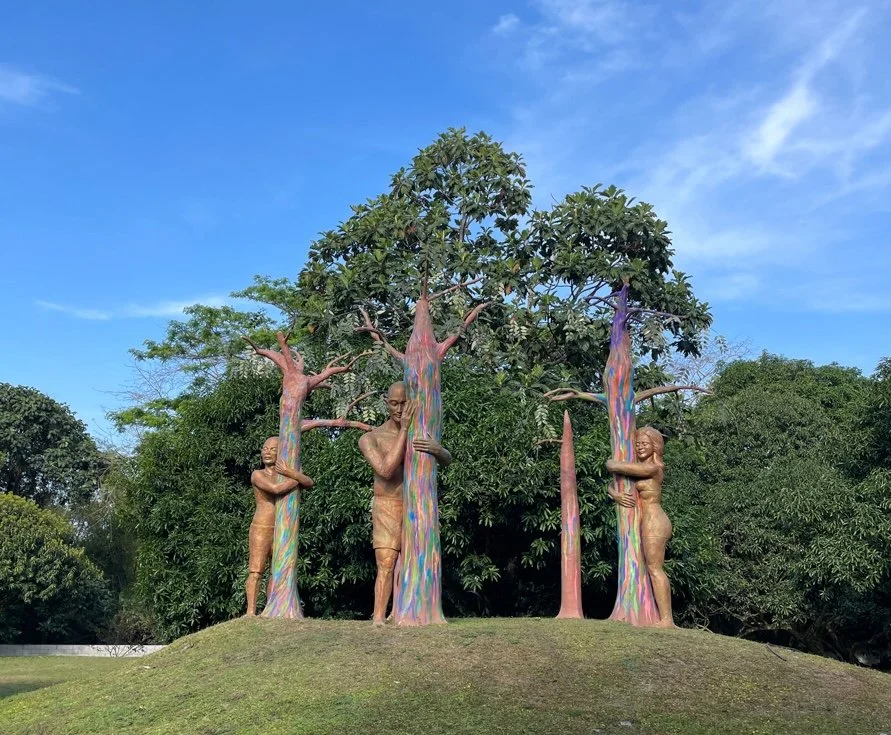
"The Tree Huggers" by Elmer Borlongan and Lito Mondejar
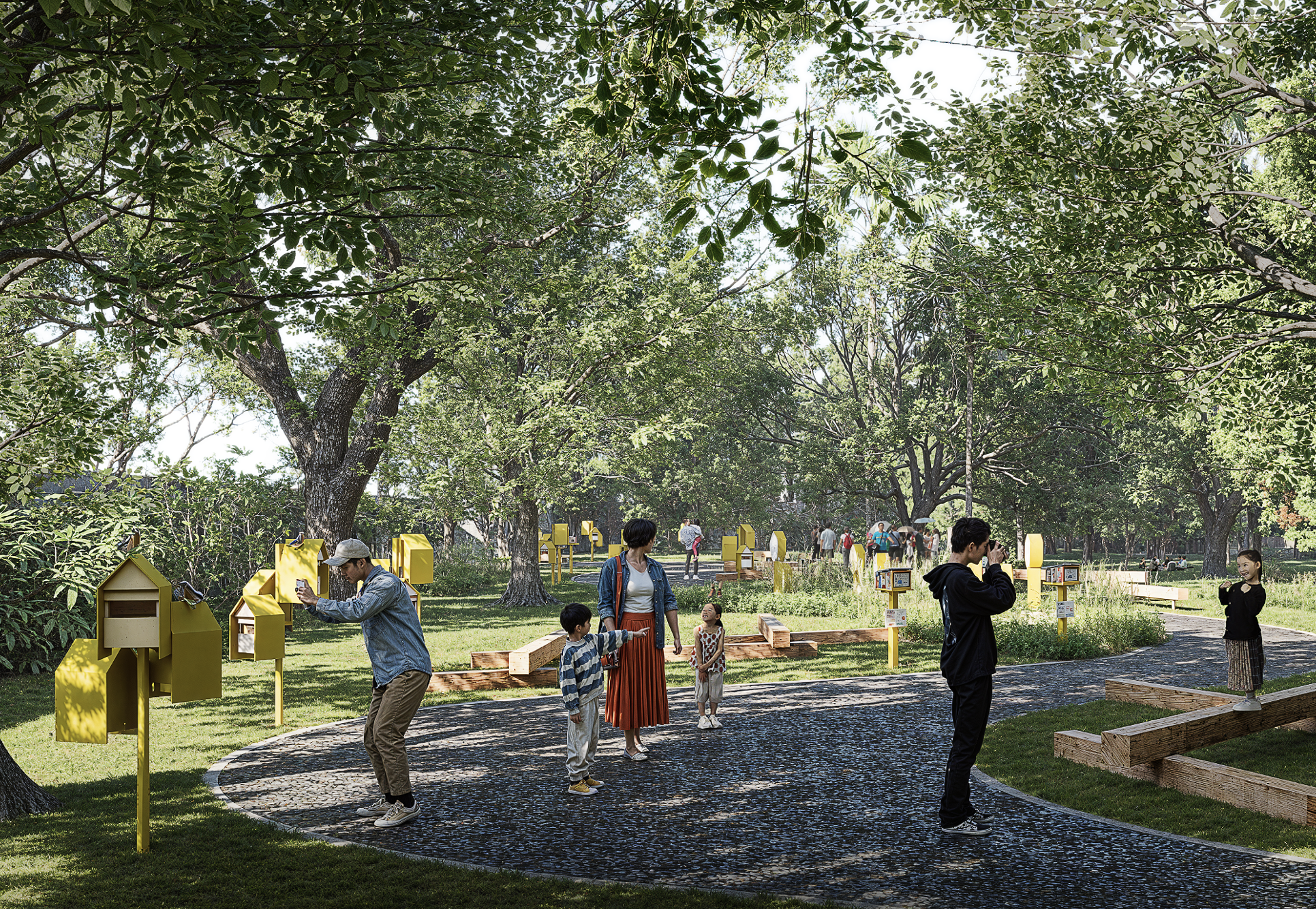
Architect's render for future landscaping
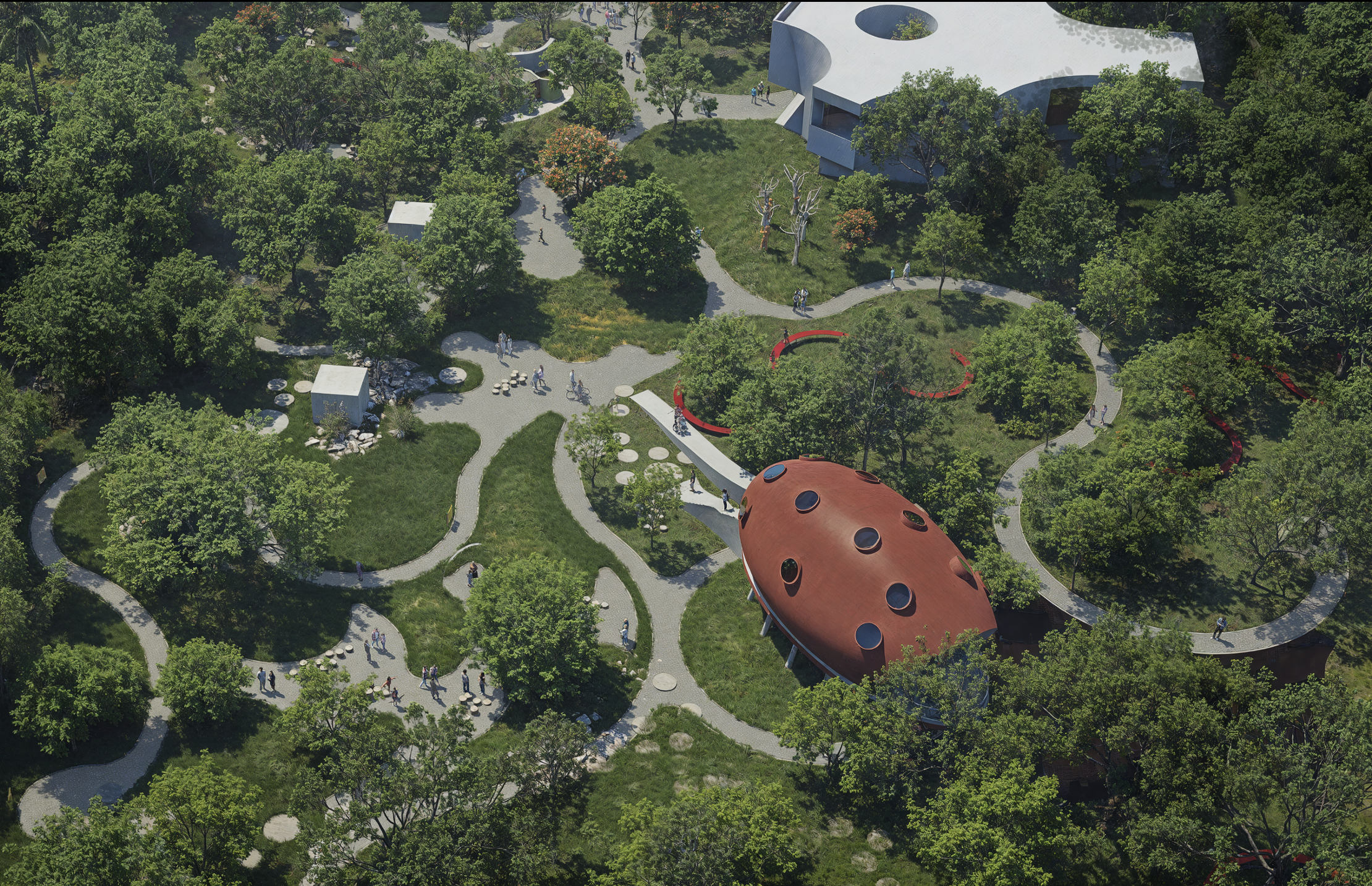
Architect's render for Tumba-Tumba
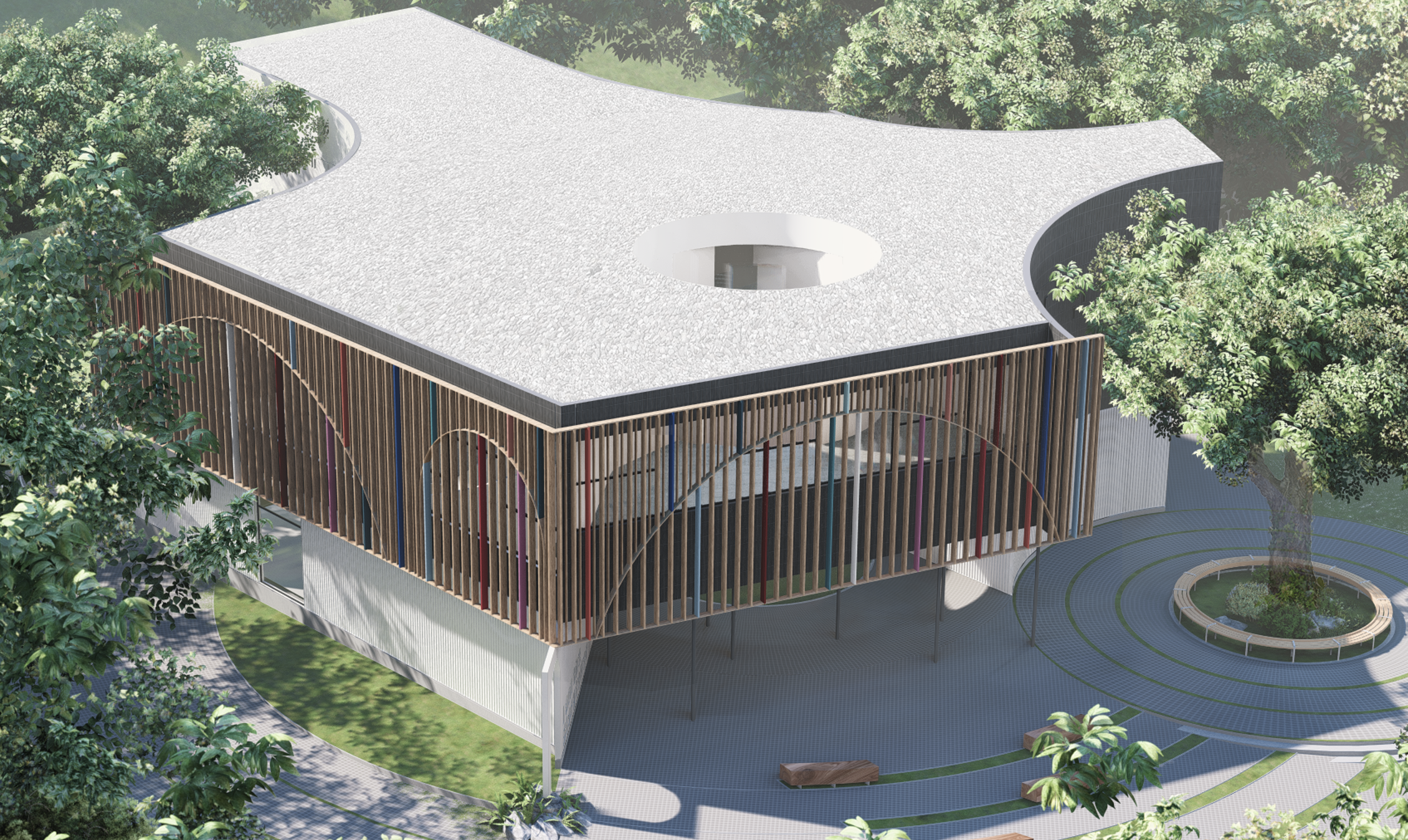
Architect's render for "I Am the Storyteller"
CANVAS’ origin and growth, to me, demonstrates the power of a storytelling and of generosity, to create ripples that lead to unexpected outcomes.
Surely, Jean Giono could not have imagined that his selfless sharing of a fictional tale about an old man planting trees in wartime France to the creative commons would give birth to a small nonprofit that would now be giving away tens of thousands of books to poor children in the Philippines every year.
This belief in a story’s ripple effect, and Jean Giono’s example, is the reason why we have always made our titles freely downloadable on our website, and why we choose to give away our books to children in public schools and disadvantaged communities throughout the Philippines. They are the reasons why we strive to make Philippine art more accessible through our various public art initiatives.
From one seed, an entire forest. From one story, a generation of readers. We cling to the hope and possibility that somewhere down the line, one of the books that we publish, one of the artworks that we show, or one of ideas that we share, will trigger the imagination of one child who will then be moved to change the world for the better.
For that child. That is for whom we do the things that we do.
Marahuyo Corporation
To support the mission and vision of CANVAS, I founded Marahuyo Corporation, an independent for-profit social enterprise which operates Marahuyo Art Projects, a consortium of online advocacy-based art galleries, and Looking for Juan, an online marketplace for art-inspired merchandise.
Proceeds and events benefit the children’s literacy initiatives of CANVAS.
Both Marahuyo Art Projects and Looking For Juan share one idea with CANVAS: that art and stories can change how children see themselves and the world.
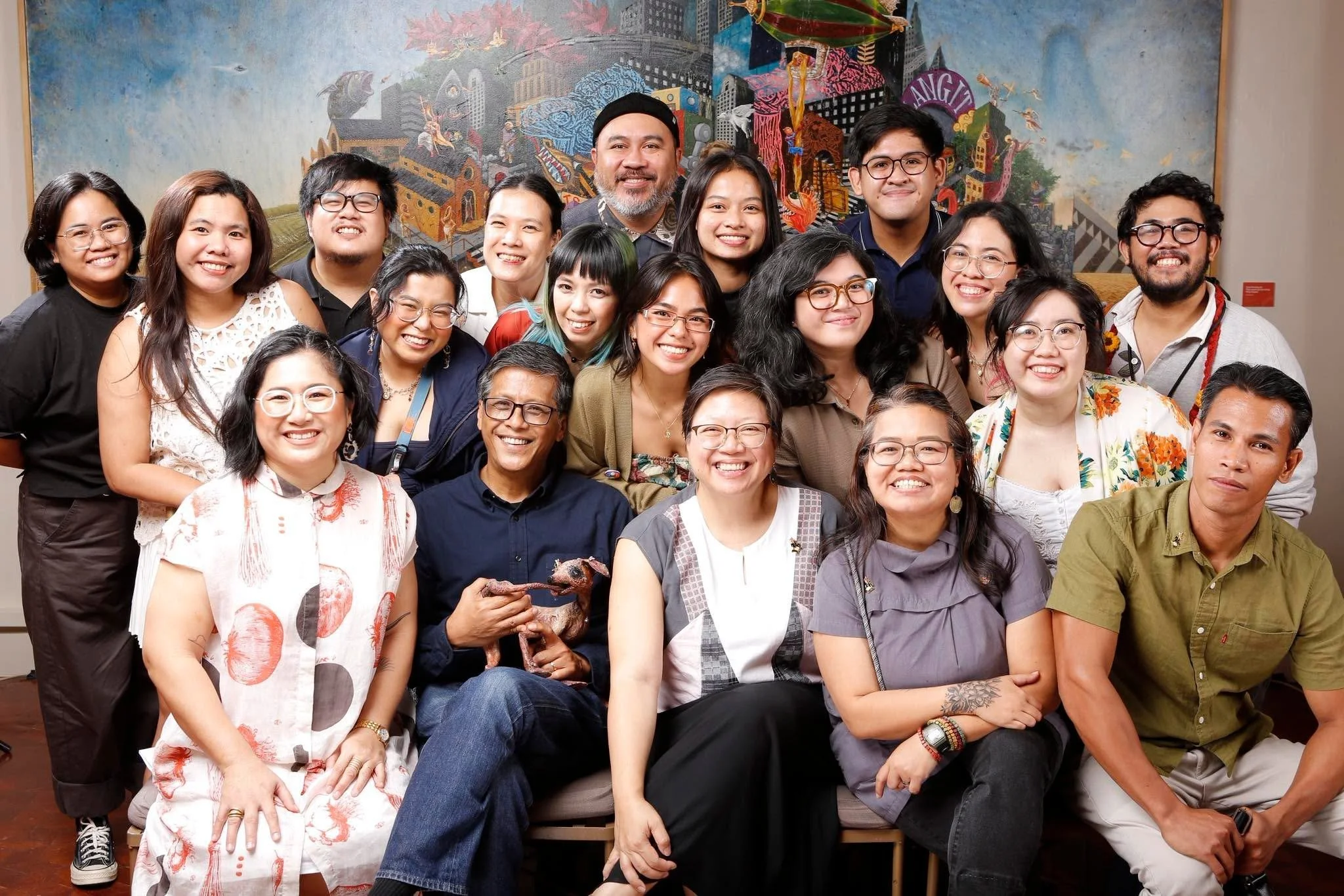
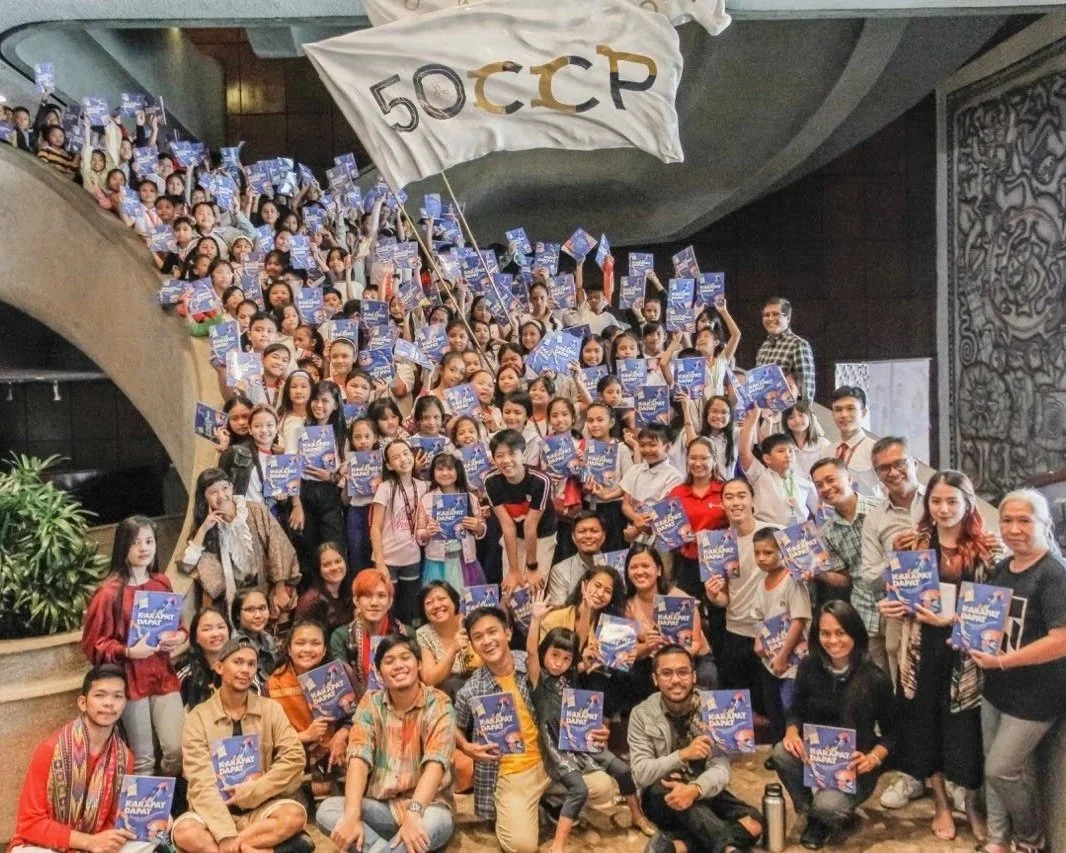
Our CANVAS family today. More than anything else, it's the people that make this work meaningful. Building this team has been one of the things I’m proudest of, and is at the heart of everything we’ve achieved over the past twenty plus years.