The Art of Human Rights
Today is Human Rights Day, a moment to pause and reflect on the ideals we proclaim to hold dear - those universal truths that tend to crumble under the weight of reality.
My own awakening came at the height of Martial Law, through the convergence of youthful rebellion and the idealism fostered in UP, and particularly, my organization, the UP Student Catholic Action (UPSCA). UP back then was a crucible of dissent, where "principles" weren't just words (or so we wanted to think); but touchstones that we had to somehow discover for ourselves to try to live by.
Through UPSCA and our immersion program, we had the privilege of living with the urban and rural poor for a few short weeks every summer break. We lived with them, shared their meals, worked with them, and slept in their dwellings. At night, we would drink lambanog or gin (and on rare occasions beer which was more expensive) with them, and learn even more from their stories.
It was through these experiences that for many of us, human rights took on a broader and more personal dimension. The right to free speech and to protest, and safety from warrantless arrests, torture or worse got the headlines, and were critical, of course. But we quickly learned that it was so much more than that. We began to understand what it means to say that we all have an innate right to dignity, to opportunity, to hope.
The fight isn't just about confronting authoritarian brutality; it is also about ensuring that children could grow up in homes where survival isn't a daily gamble, where education can lift families out of generational poverty, and where sickness doesn't have to mean financial ruin.
These experiences made me realize that rights are only as strong as the systems that sustain them.
The late great and iconic Chito Gascon, a fellow-UPSCAn and later Chairman of the Commission on Human Rights, and I used to talk about how human rights should not just be for the courtrooms or the streets. Human rights are also meant to be explored, reflected upon and fought for in classrooms, museums, and art spaces. Together, we dreamt of a children’s museum dedicated to art and human rights, a vision that acknowledged that even the youngest among us have a stake in justice and dignity.
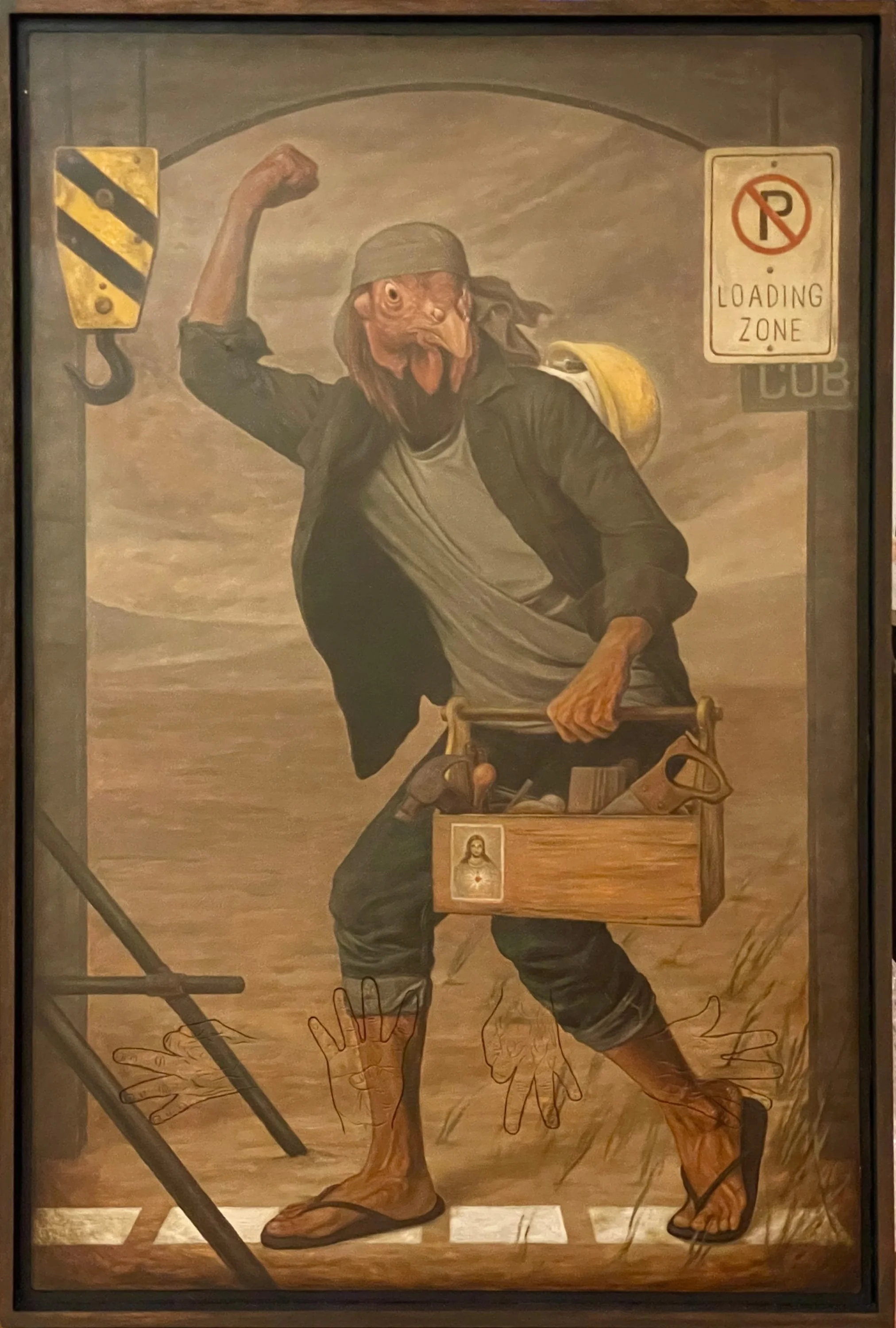
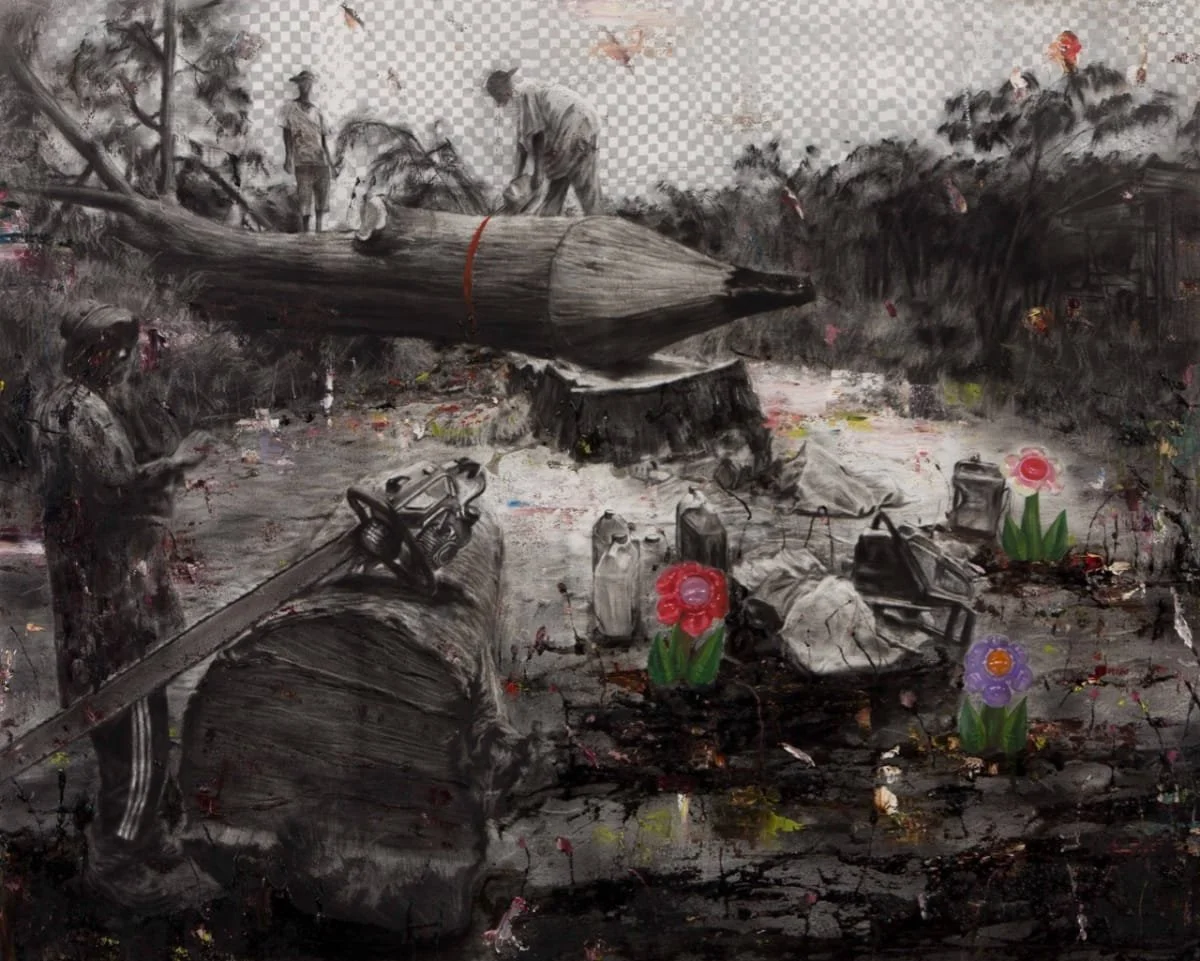
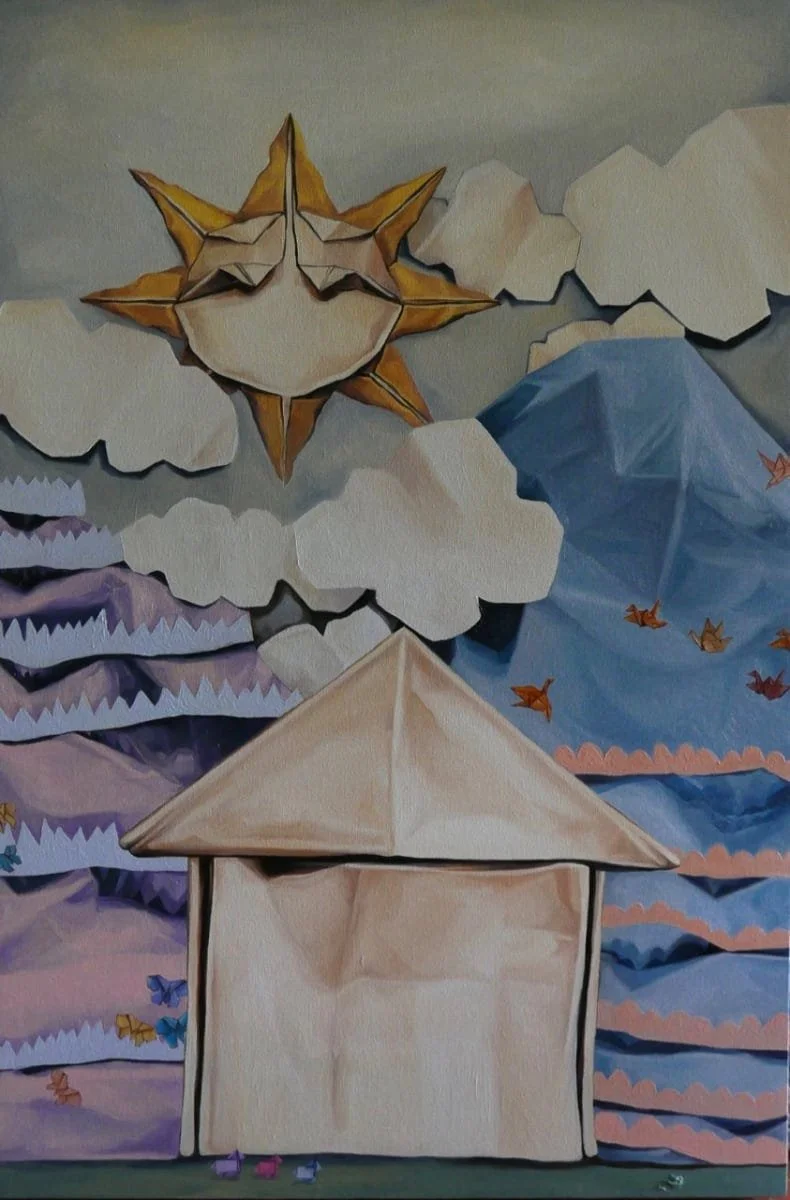
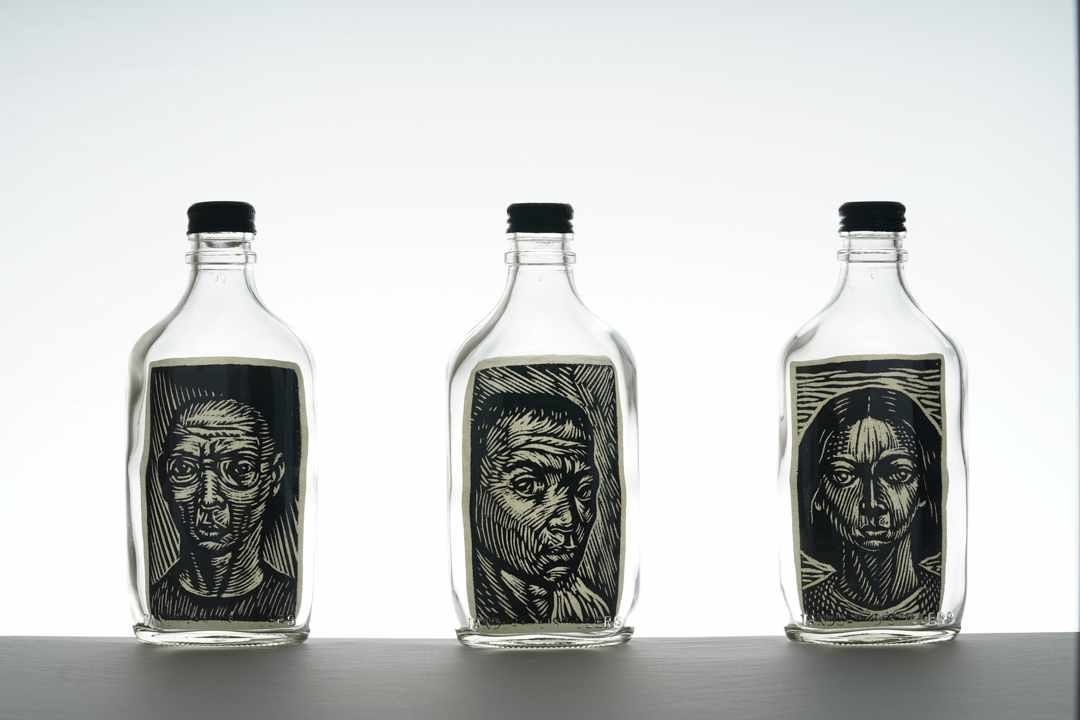
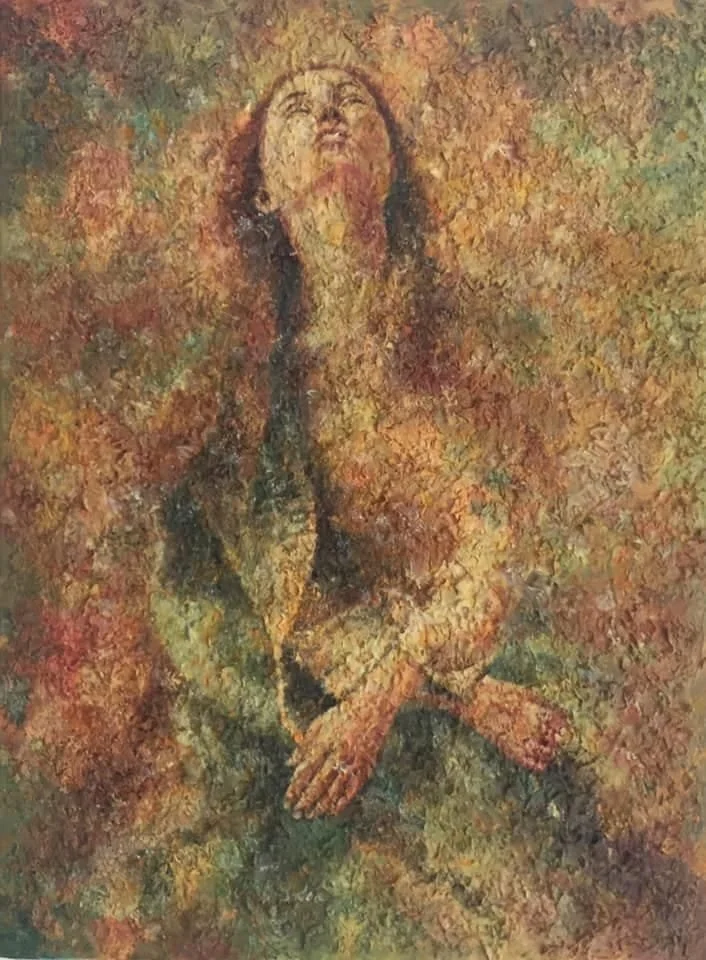
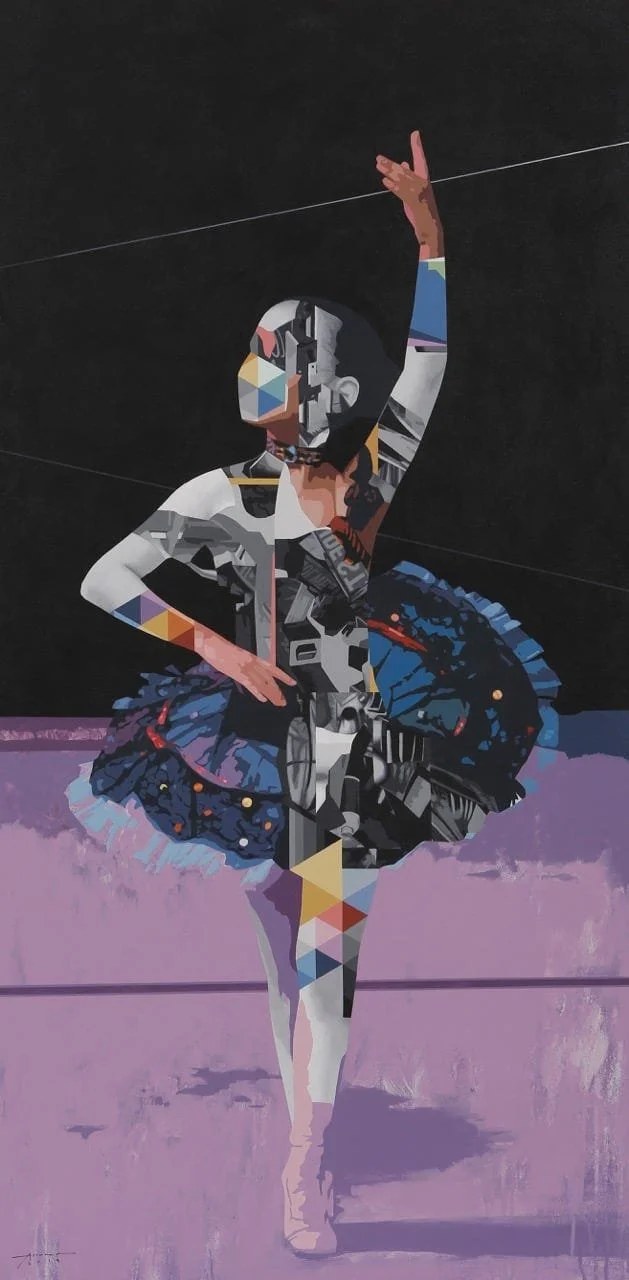
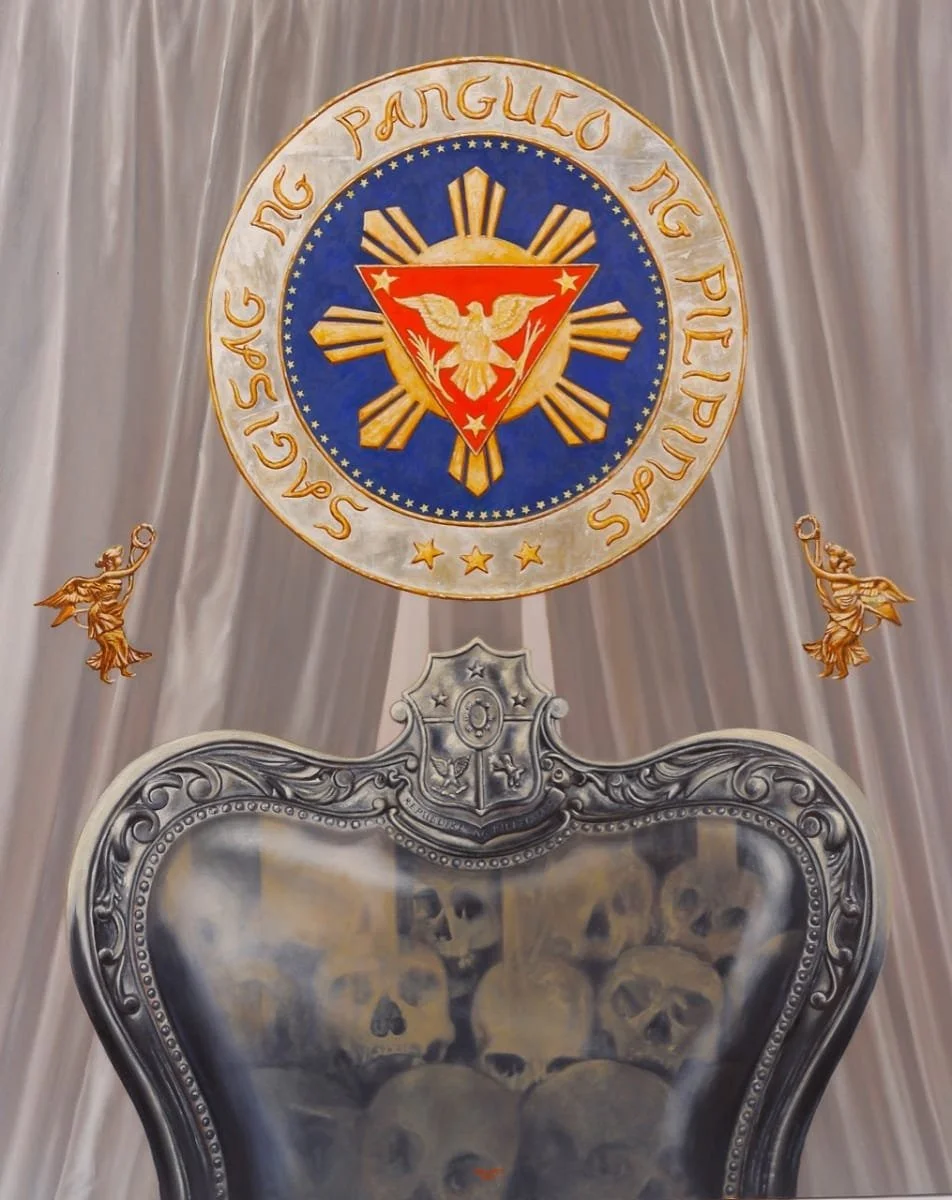
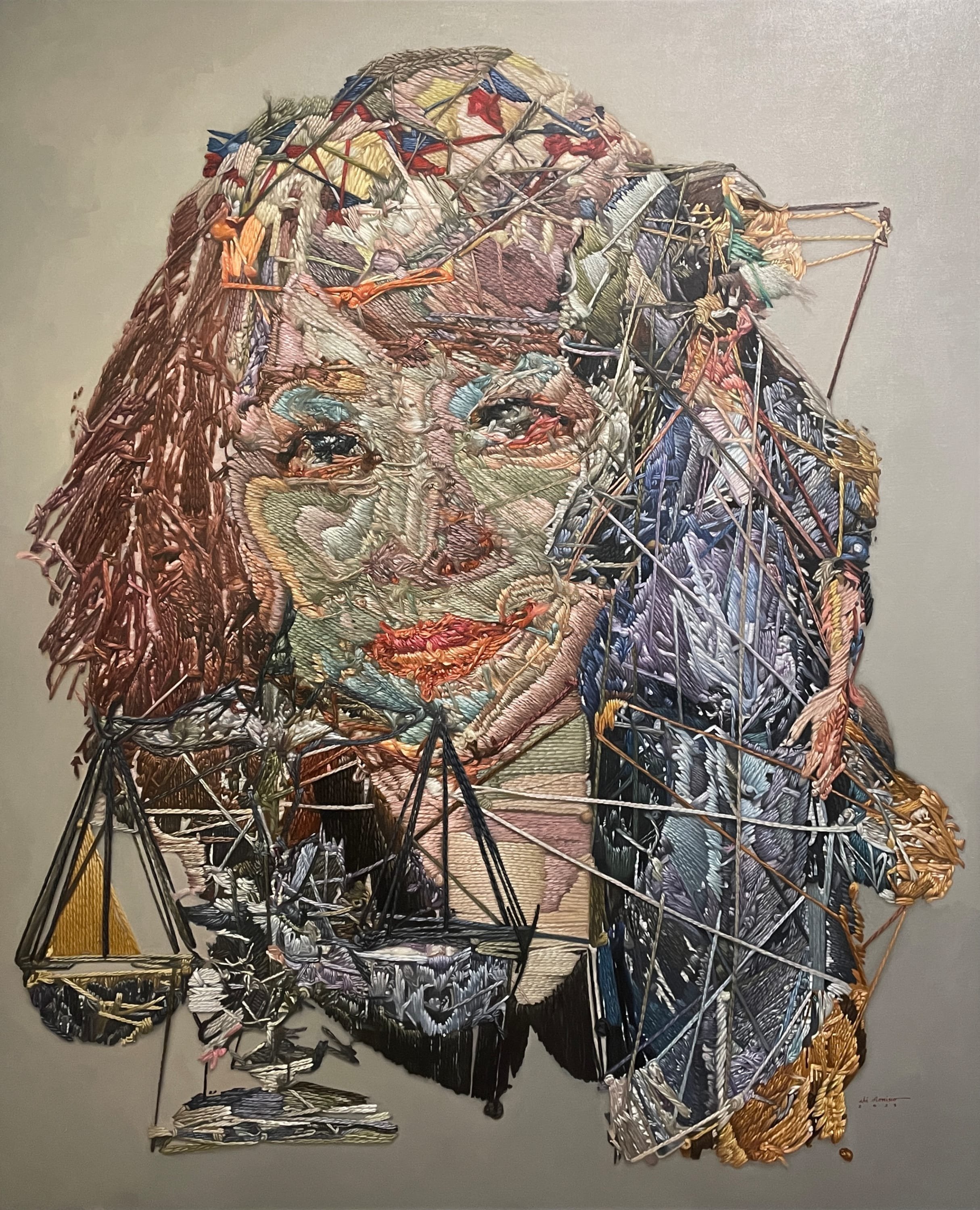
Here are some of the artworks from my and CANVAS' collection that I told Chito could populate that space.
-
![]()
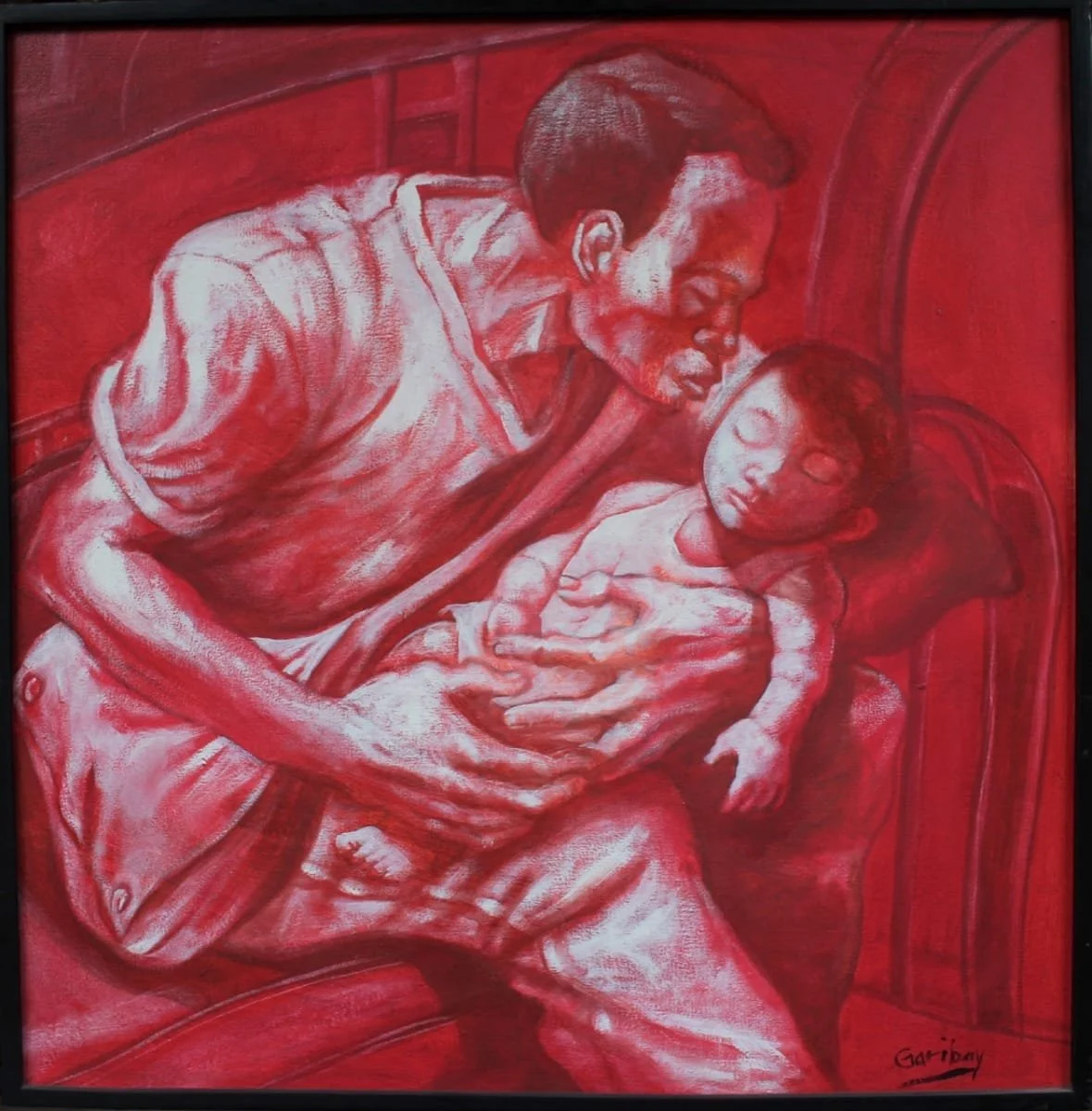
Ama at Anak (Manny Garibay)
-
![]()
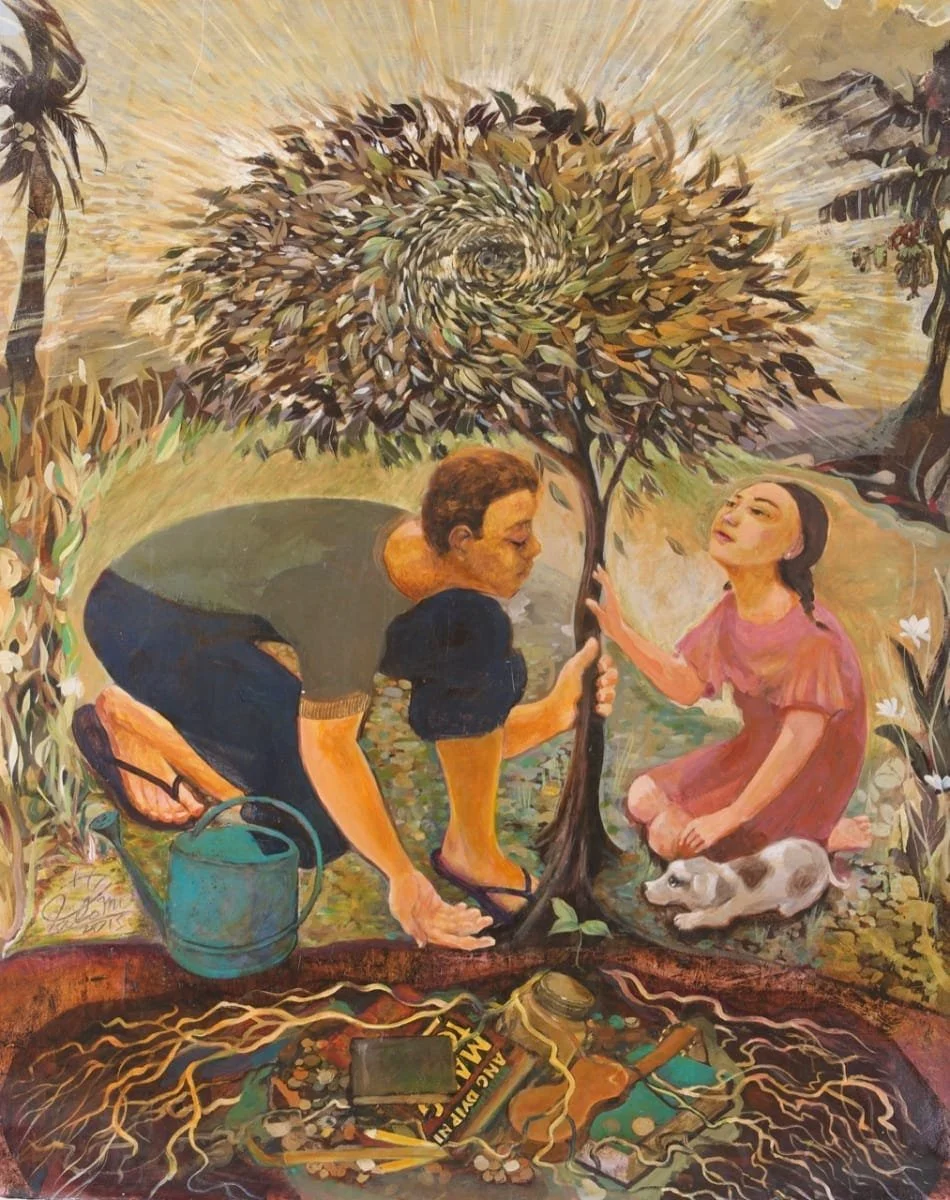
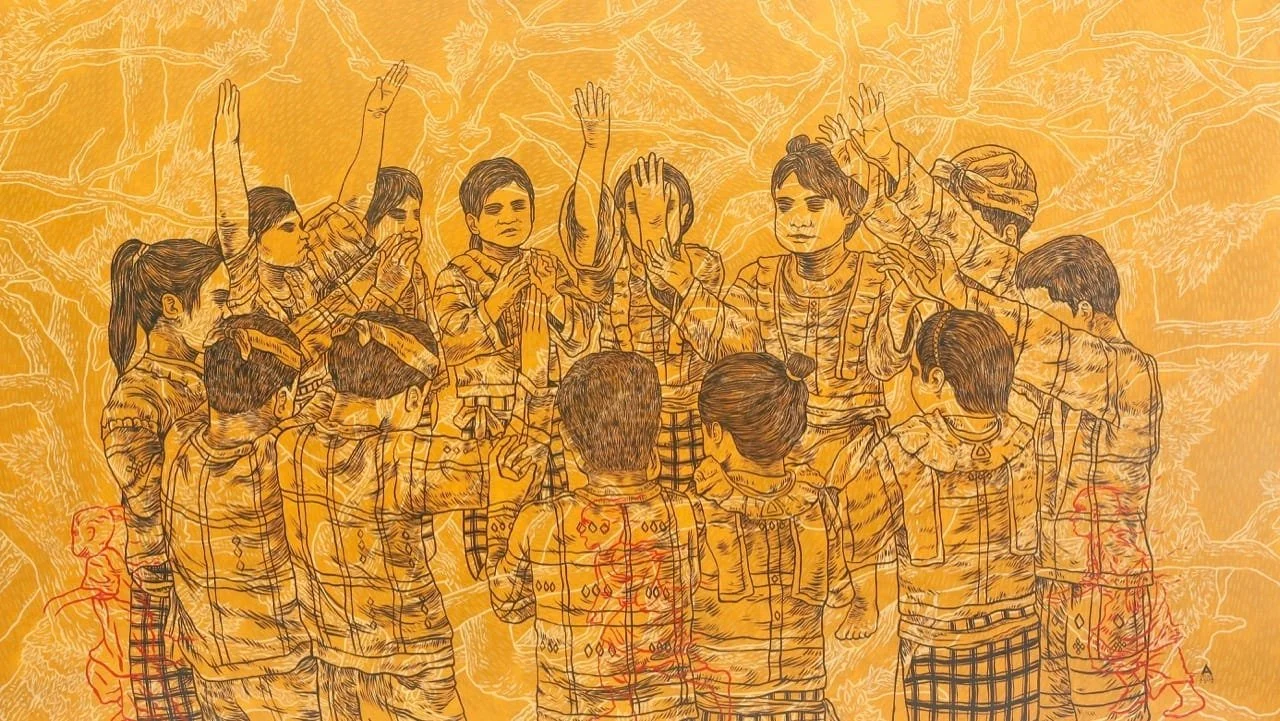
Punung-puno ng Pagasa (Anthony Palomo)
-
![]()
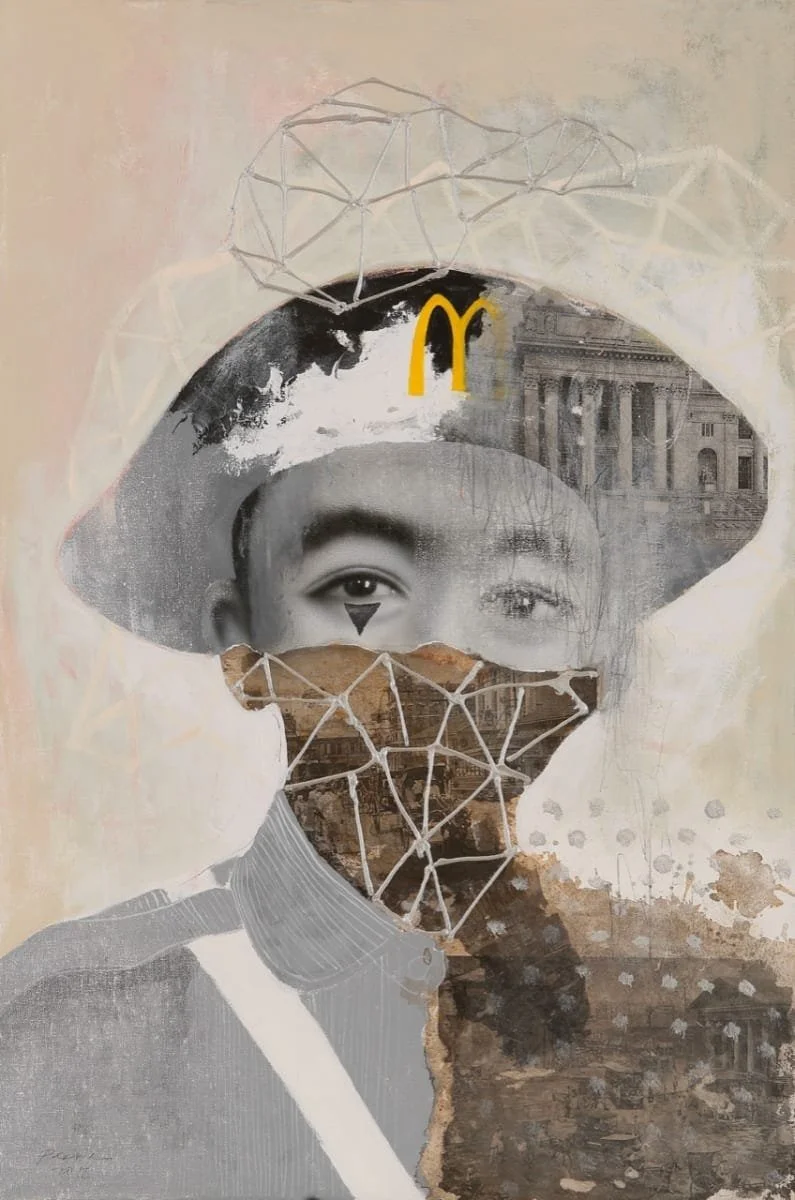
Proud but Colonized (Demi Padua)
-
![]()
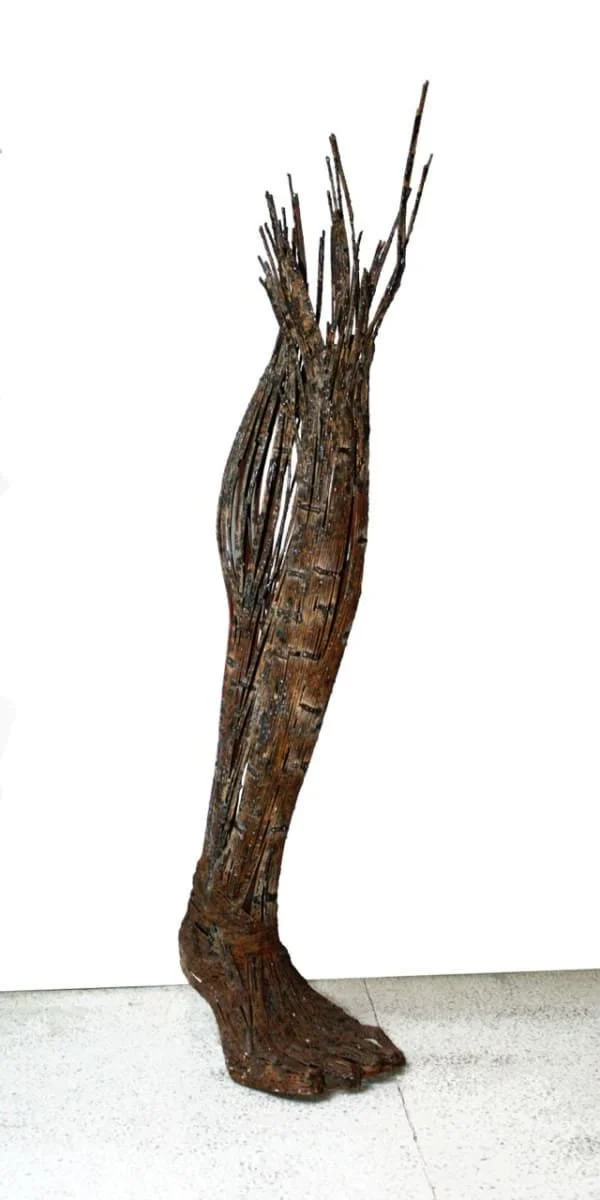
Monumento (Joel Alonday)
-
![]()
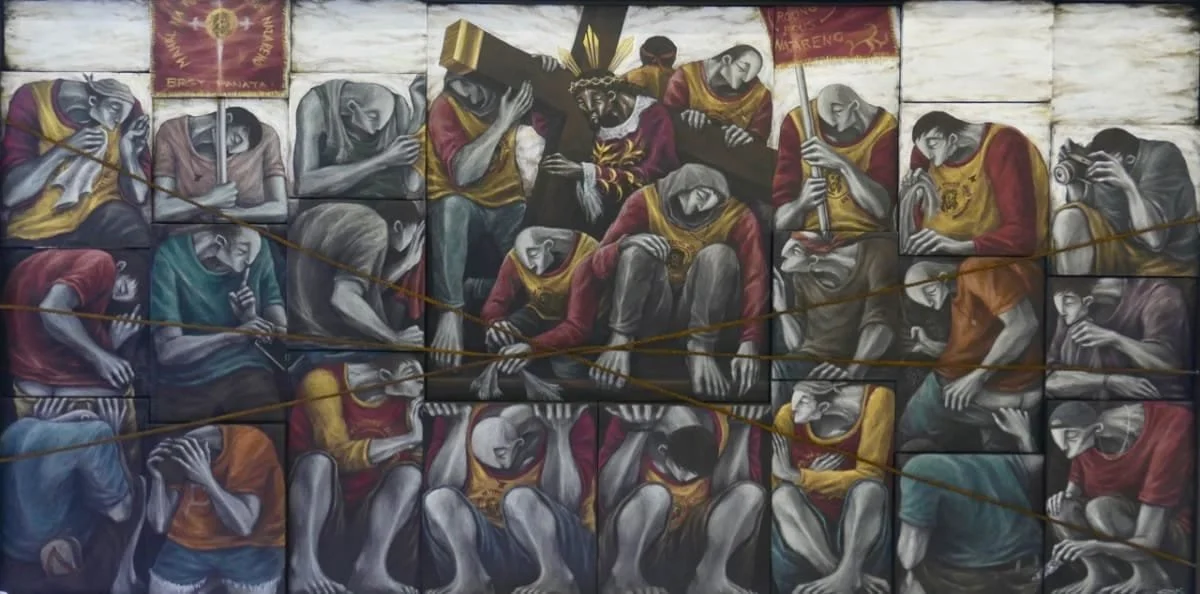
Kumpas sa Kristo (Mark Laza)
-
![]()
Kaingin (Ronson Culibrina)
-
![]()
Home as Utopia (Ayka Go)
-
![]()
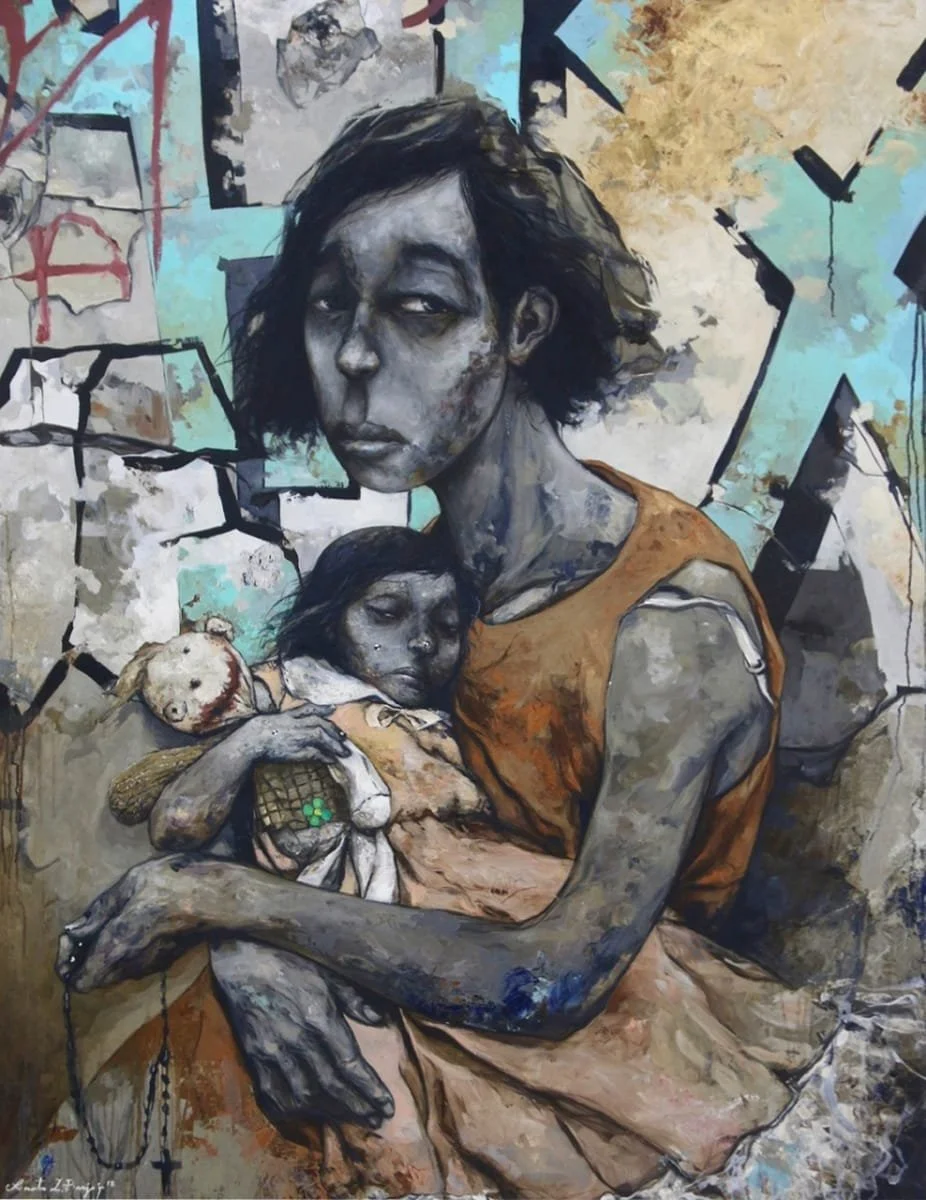
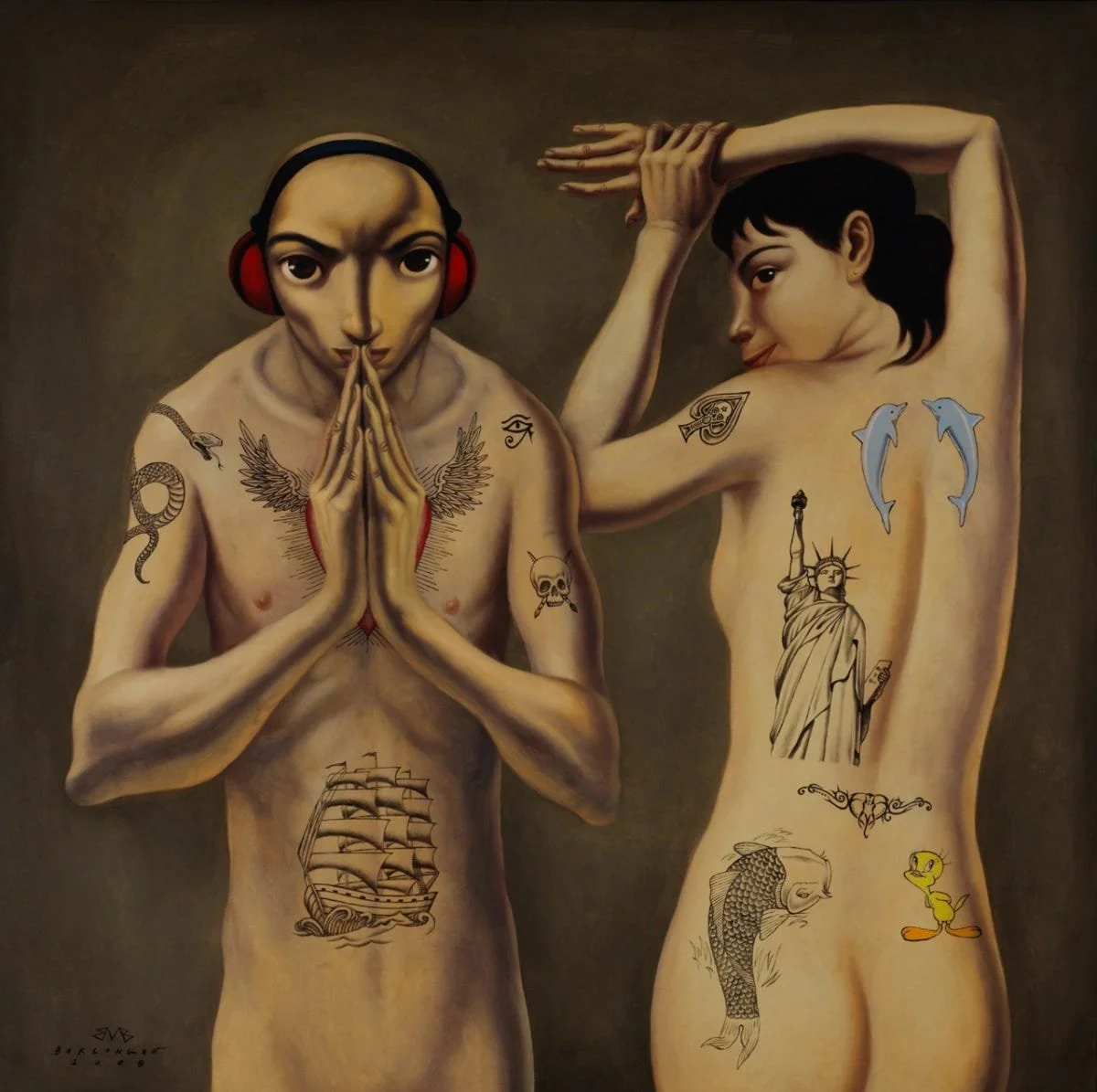
Desaparacidos (Elmer Borlongan)
-
![]()
Untitled (Jim Orencio)
-
![]()
Full Potential (Mark Arcamo)
-
![]()
Silent Witnesses Book Cover (Renz Baluyot)
-
![]()
Haydee Yorac (Abi Dionisio)
-
![]()
Bak(wit) - Dasal (Archie Oclos)
-
![]()
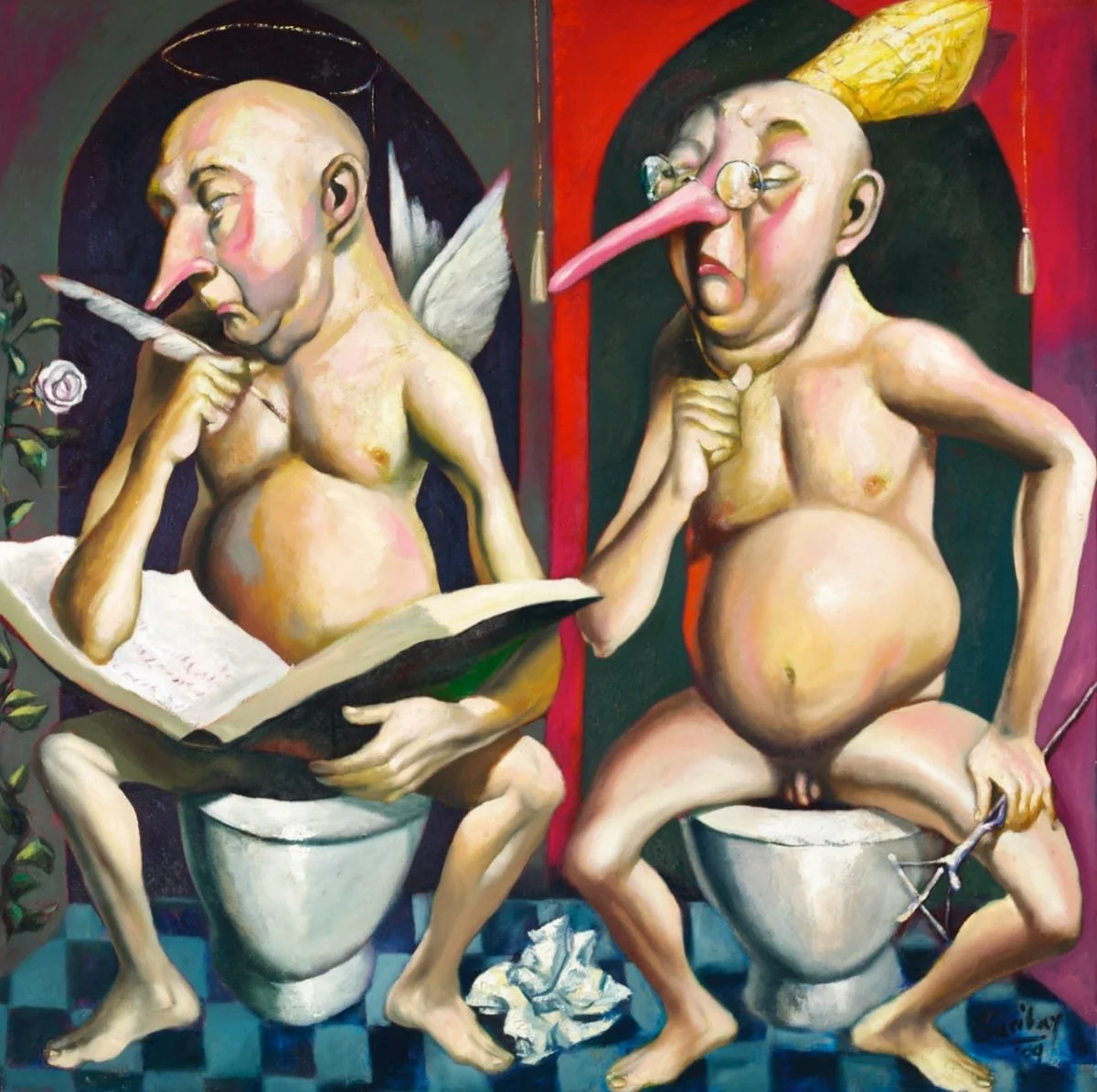
Ang May Akda (Manny Garibay)
-
![]()
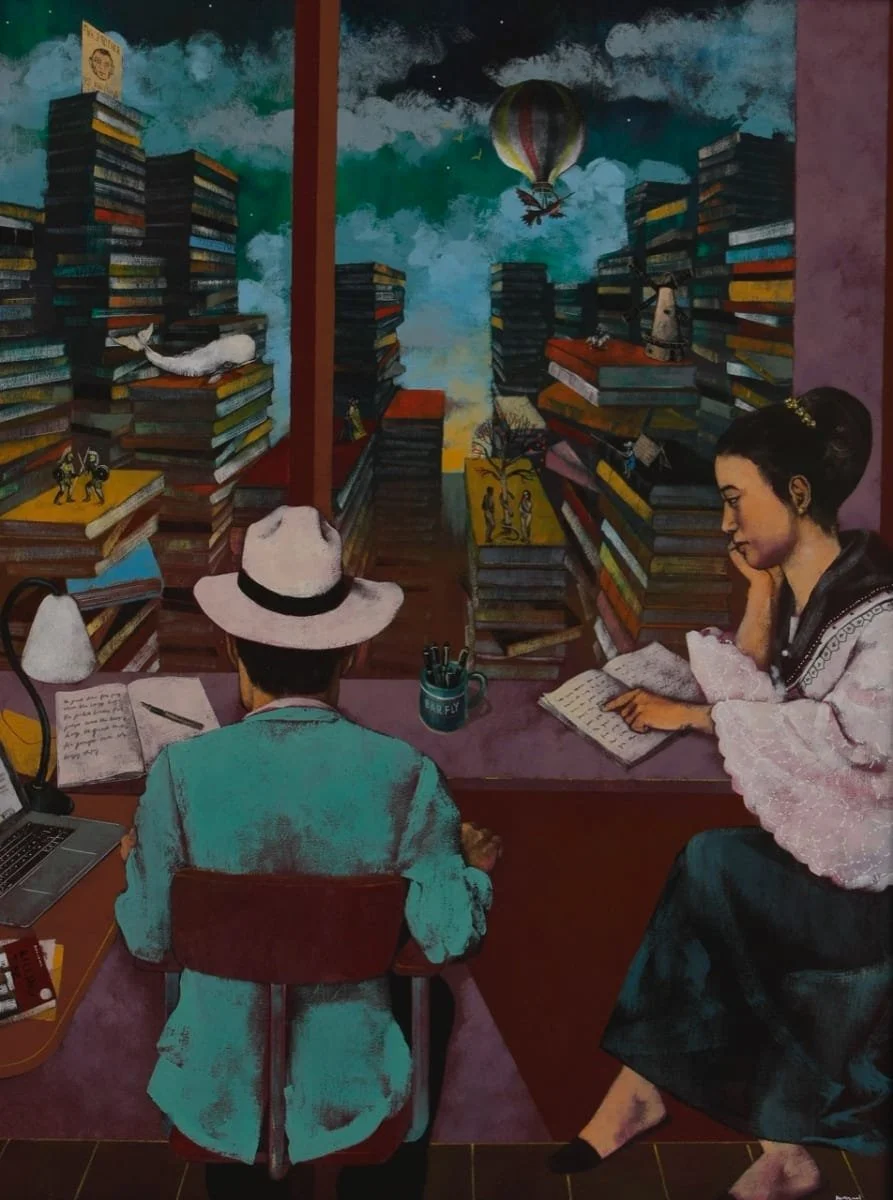
Why Words Matter (Marcel Antonio)
-
![]()
Heaven's Key (Jojo Barja)
-
![]()
Manananggol (Mark Justiniani)
-
![]()
Alab (Ferdinand Montemayor)
-
![]()
Bigat ng Alaala ng Pagdurusa (Dengcoy Miel)
-
![]()
Wear Your Pride (Lui Manaig)
-
![]()
Global Pintados (Elmer Borlongan)
-
![]()
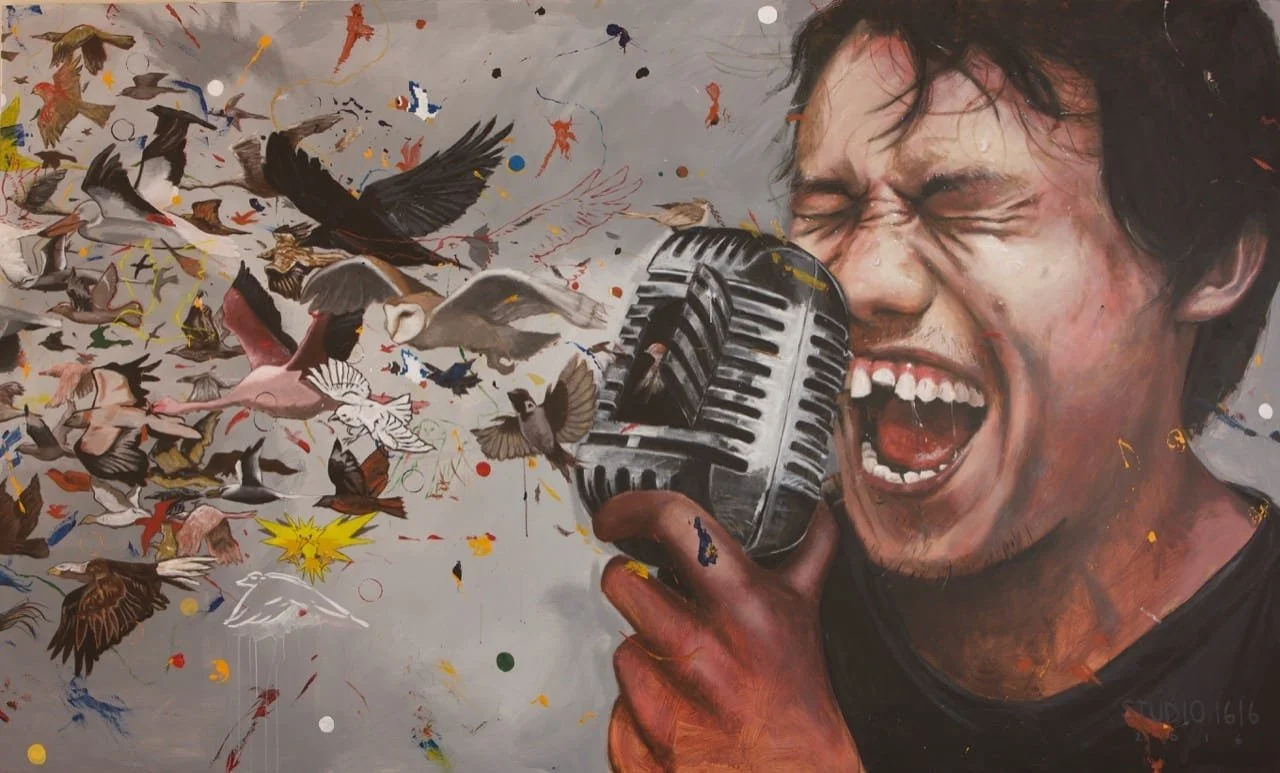
Makinig (Studio 1616)
-
![]()
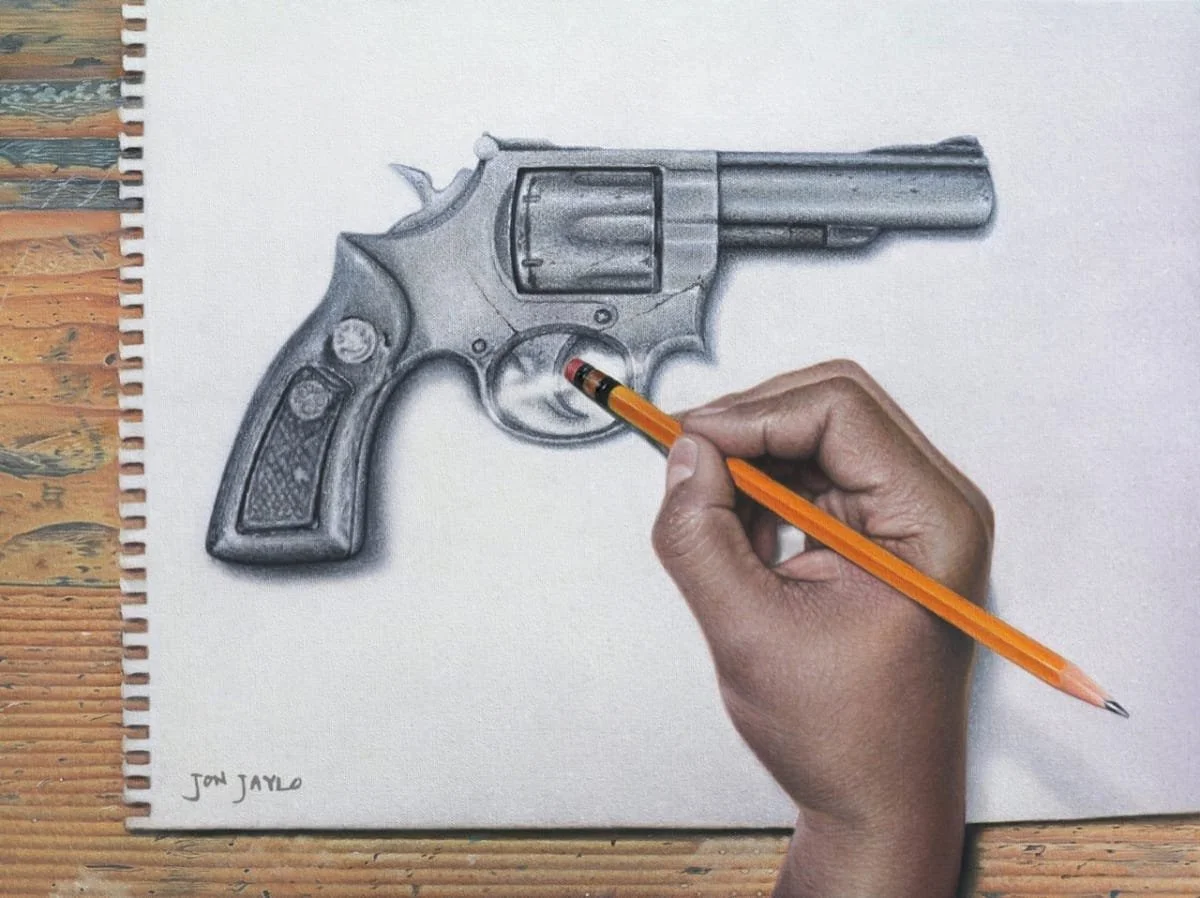
The Benevolence I Seek (Jon Jaylo)
-
![]()
Manipestasyon (Cedrick dela Paz)
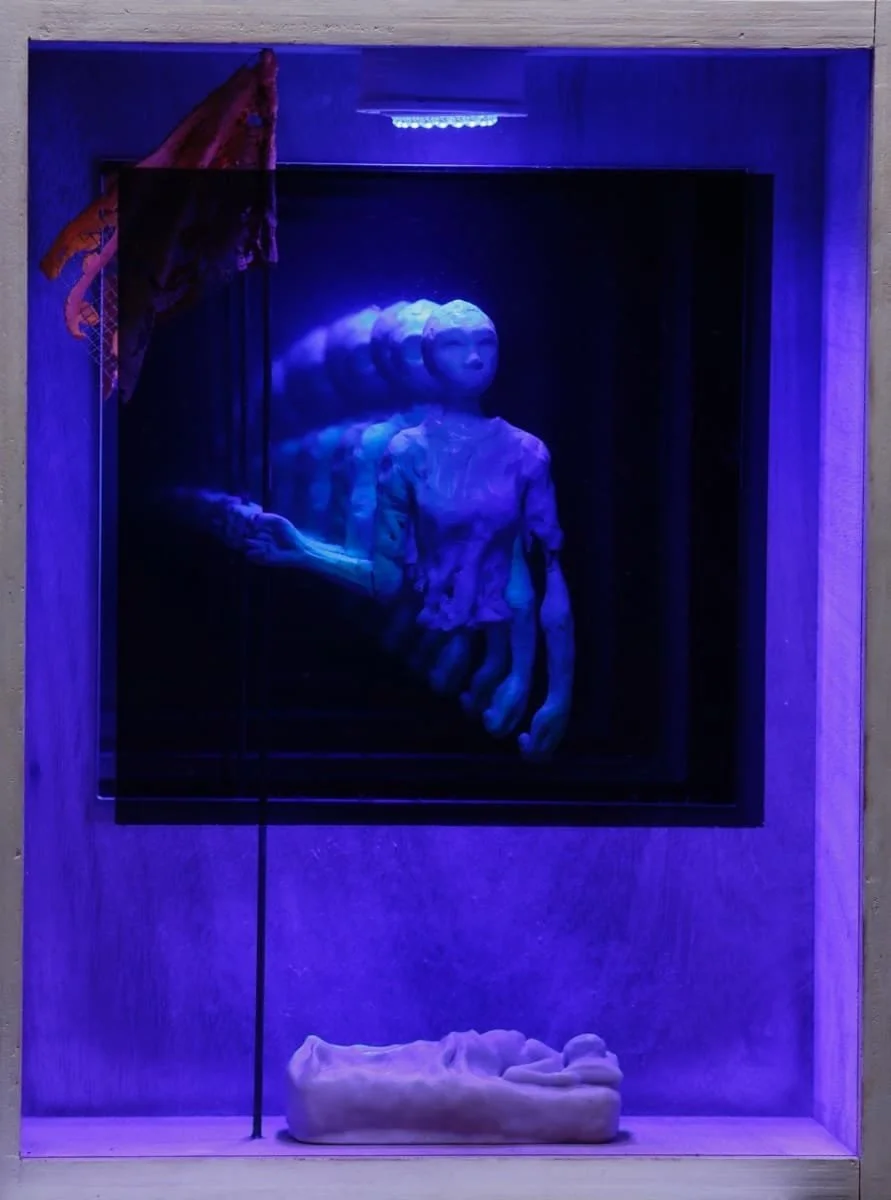
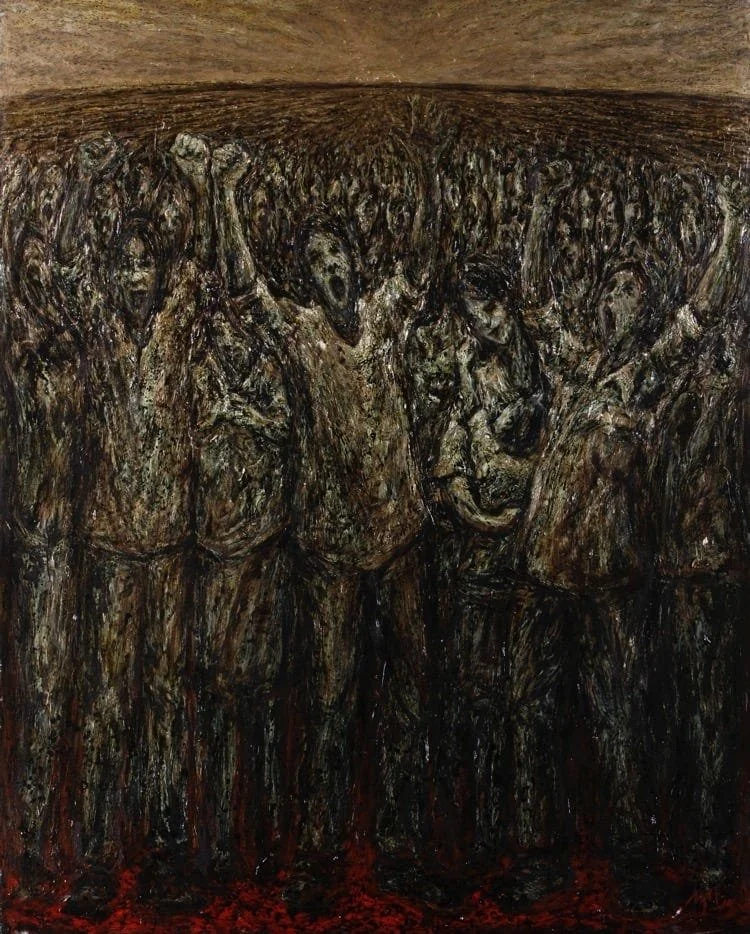
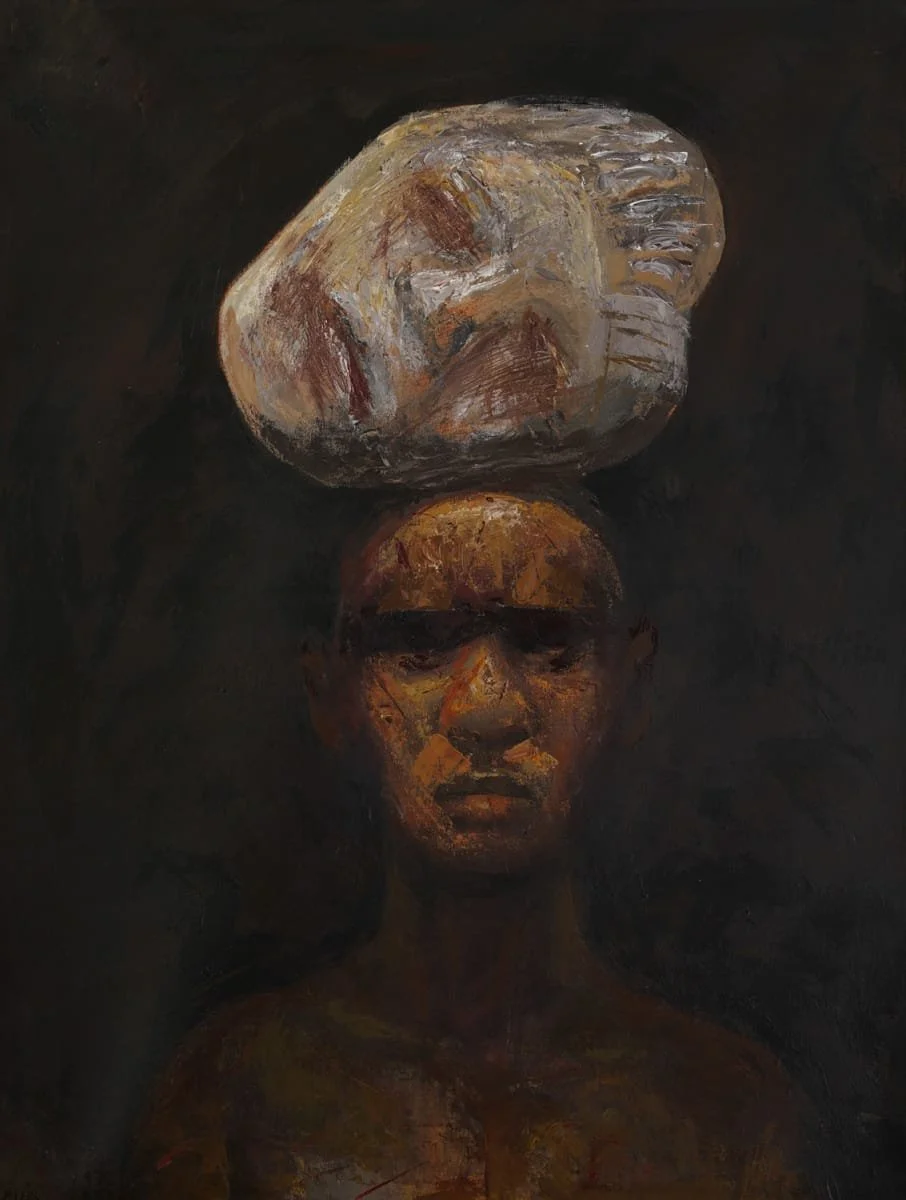
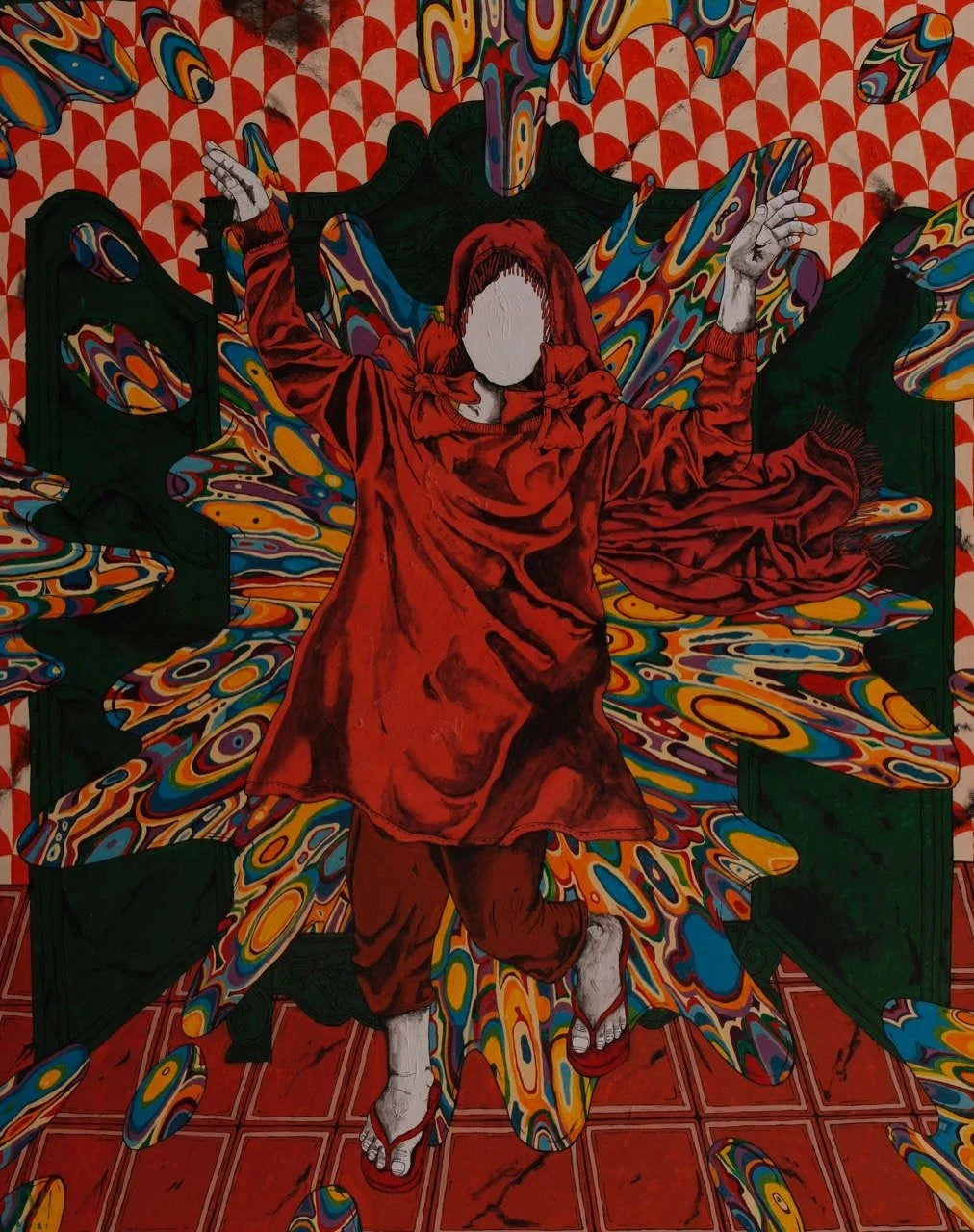
The day when the ideals of equality and dignity no longer feel like an uphill climb might still be a long way off, but I have high hopes that our dream of a humble art space for human rights might not be so unreachable.
We have the land in Ibaan, and we have the art. If and when we are able to raise the funds, the theme of children's rights will occupy a dedicated place in CANVAS' Tumba-Tumba Children's Museum of Philippine Art.
It can then stand as proof that despite everything, we have moved forward. That we can continue to learn and move forward a little more. And that our children and future generations can take hope in and build upon these modest successes, to continue the pursuit of a truly just and humane society.